Over the course of my life, I’ve had all kinds of jobs. I’ve been a janitor, receptionist, customer service and sales representative, travel agent, FedEx driver, and warehouse worker. Some of these jobs were more bearable than others, but frankly, I disliked most of them, especially the office jobs, where I had to work under tyrants while dealing with politics and power games.
I’ve never had a job where I woke up excited to go to work. The moment my shift started, I was already daydreaming about making music, hitting the gym, or hanging out with friends. When it finally ended, I clocked out immediately and transformed into the Flash as I rushed out of the building.
At one point, though, I found a job that seemed perfect for an outcast like me who had never quite fit into society. One day, while scrolling through job listings, I came across an ad for a marijuana dispensary looking for delivery drivers in Los Angeles. I’d worked as a delivery driver before and enjoyed being on the road, so I applied.
I landed a phone interview and got the job. Around the same time, I received a seasonal offer to ride along with UPS drivers and help make deliveries, but I felt drawn to the dispensary job instead. I lied to my family and told them I’d accepted the UPS position, knowing damn well they wouldn’t approve of me being a weed delivery driver.
The dispensary was in Hollywood, about 30 minutes from my house depending on traffic. I wasn’t too familiar with LA, but I figured it would be a fun place to work based on all the stories I’d heard about celebrities partying like rock stars on Sunset Boulevard.
On my first day of training, a security guard stopped me at the door and radioed management to confirm I was cleared to enter. Once inside, I stepped into a large open room filled with weed products, with duffel bags scattered across the floor. From there, I was sent upstairs to wait with the other new drivers for our manager.
When he arrived, he introduced himself and got straight to business. He explained that the dispensary sold marijuana in the form of flower, joints, edibles, and vape cartridges. Our job was to drive to our assigned area with duffel bags full of products in the trunk, hand-pack each order as it came in, and deliver it to the customer’s home. At the end of the night, we’d return to base with whatever cash we’d collected.
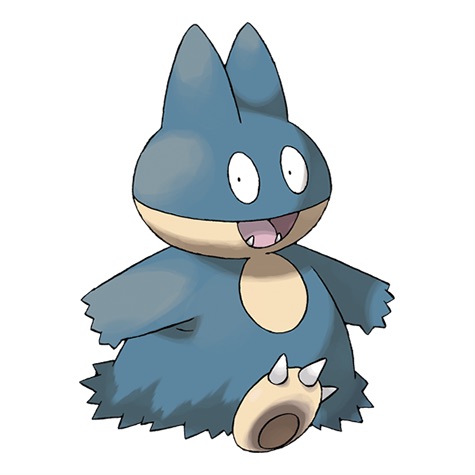
Munchlax
The dispensary owner was a Pokémon fan, so he named the areas we serviced after different Pokémon. I was assigned to the “Munchlax Area,” which covered most of Central LA. Occasionally, I had to deliver in other parts of LA County too (even the dangerous parts) when other drivers called out and we needed extra coverage.
When I took the position, I drove a 2012 Chevy Malibu with about 140,000 miles on it. My front bumper was barely hanging on with tape, and my AC didn’t work. It did get me from point A to B, though, despite not being the biggest panty dropper.
My dispensary sat in a small parking lot crammed with body shops, so there was never anywhere to park. When I got to work, I had to double park, quickly grab my duffel bag, unload the inventory, and organize everything in the back of my trunk.
Every driver was given an iPhone with a delivery app that notified us whenever an order came in. It showed the customer’s name, address, products ordered, and the amount due at delivery. If they had bonus points for loyalty, those were listed too. The app was intuitive and gave us everything we needed to complete each order.
Delivering & Packing Orders
When I began my shift, a few orders were usually waiting to be delivered. I’d start driving to the customer’s house, then look for a place to park so I could grab their products from my trunk and pack the order. I wanted to be discreet, so I avoided sketchy-looking areas and busy streets where cars would be constantly passing by. While I packed orders, I had my back turned and my head lowered into the trunk, leaving me vulnerable to robbery or unwanted attention. Because of that, I needed to stop somewhere safe.
Since I was in unfamiliar areas, I had to rely on my intuition. If a street felt peaceful, I’d pull over and pack the order.
At first, it took me a while to find customers’ items because I didn’t know what the products looked like, and our app only showed pictures of certain brands. My manager told me that if I got stuck, I could type a product’s name into Google and usually find a picture of the packaging. For example, if I searched for an eighth of Stiiizy’s Cereal Milk, an image of a white bag would appear. So now I’d know what color packaging to look for.
Even then, it was tough to find certain products because we carried a lot of inventory and our bags were unorganized. Sometimes, what I was looking for wasn’t even there. If I couldn’t find a product after a quick search, I’d let our dispatch team know, and they’d contact the customer and have them choose a replacement.
Once I got familiar with our product lineup, I began putting orders together fast. I became so efficient that I could pack multiple orders in a matter of minutes, whereas it used to take me forever to finish one.
When I finished packing an order, I’d text the customer an estimated arrival time. Once I reached their place, I’d let them know I was outside and wait for them to come out. The best part of the job was that I rarely had to leave my car to bring them their order. They were expected to meet me at my car with cash and ID. This was refreshing because when I used to deliver for Uber Eats, I had to bring people’s food to their doorstep, which was a huge pain, especially when dealing with people who lived in apartments with confusing layouts and no parking.
People always walked up to my car smiling and greeted me like I was an A-list celebrity. They were happy to see me because I had their bud. Most of our customers were regulars, and many of them left me a tip. This was my first real job in the hospitality industry, so I got to experience what it was like to have a significant portion of my income depend on the generosity of others. If people didn’t have extra money to tip me, they’d sometimes give me food or drinks instead. I even had one guy who would say a prayer for me after we finished the transaction.
It touched my spirit that people liked me enough to do things like that for me. Given how our society is set up, almost everyone is broke, so I felt genuinely grateful whenever someone gave me extra money just because they appreciated me.
I did notice a difference between delivering to upper-class and lower-class customers. We’ve all heard the stereotype from the pizza guy who says the nicer the house, the worse the tip. In my experience, lower- and middle-class customers seemed to tip better than people who lived in wealthier areas, probably because they understood the struggle and could relate to me more. It was a little ironic because you’d expect broke people to be stingy and prosperous people to be generous, but I often found the opposite to be true.
That’s not to say wealthy people never left me big tips. Plenty of them did, and many were great people. It just felt more transactional with some of them, as if they viewed me as a low-level worker and wanted to grab their order and get me out of their neighborhood.
After working a few shifts, the tips I left increased everywhere I went. I wanted to show others the same appreciation people had shown me. Whenever I left a generous tip, I’d see how happy the worker got, and that made me feel good about myself.
I think whether or not you tip someone says a lot about your character. Before taking this job, I was selfish and rarely thought much about gratuities or going above and beyond for service workers. Some things in life you have to experience firsthand to truly understand, and having your livelihood depend on the mercy of others is one of them.
Most people who ordered from my dispensary did honest business, but I did get robbed one night in Los Angeles.
I pulled up to an apartment complex for a delivery, and a guy in baggy clothes with face tattoos came jogging toward my car from the side of the building. I thought it was odd that he didn’t come out through the front entrance, but I ignored my intuition and continued with the delivery. When he reached my car, he asked to check his order. I handed him the bag of products, and he gave me a wad of cash. As soon as we made the exchange, he turned around and took off down the street with over $200 worth of weed.
I felt like a clown when I unfolded the money and realized it was just a $5 bill and a few $1 bills. Handing over the order before counting his cash gave him the chance to get away before I realized what had happened. Some customers liked to check their order before paying, but that incident taught me to count the money before handing over their products.
Friendly reminder: Always trust your intuition. Every time I’ve sensed something was wrong and ignored my gut feeling, something bad happened. If something feels off, there’s probably a reason, so listen to that instinct.
When I told my manager what happened, she also warned me that people would try paying with counterfeit money. Some customers would slip drivers bills labeled “For Motion Picture Use Only” and hope we wouldn’t notice. At the end of the night, when our cash was run through the counting machine, we’d sometimes discover that someone had paid us with fake bills. Management even had a “Wall of Shame” at our base where counterfeit bills were taped up as a reminder to stay vigilant.
It was easy to get duped by fake cash or come up short when you were always rushing to deliver the next order. That made it important to count everyone’s money carefully. Otherwise, you had to repay whatever was missing. Management gave you one or two free passes for coming up short, but after that, it was on you.
LA might not have the best reputation, but I didn’t mind driving around it all day. There were only a few times I found myself in grimy-looking areas where I didn’t feel comfortable, places that felt like something could pop off at any moment. One night, I was stopped at a red light when a beat-up Honda pulled up next to me. A bald guy smoking a cigarette rolled down his window, gave me a menacing look, and asked, “Where are you from?” Lucky for me, the light turned green, so I sped off and didn’t have to deal with him.
You’d think I’d run into situations like this often in LA with all the time I spent driving, but only twice did people try to mess with me.
End Of Night
My dispensary accepted delivery orders up until 10 PM, but my day rarely ended then because of last-minute requests. There would be 10 minutes left in my shift, and I’d be exhausted and ready to go home. I’d start heading back to headquarters, and sure enough, a couple more orders would trickle in and force me into overtime. Potheads aren’t going to sleep without lighting a bowl. At least there was no traffic late at night, so I could make my final deliveries quickly.
Once I finished my final deliveries, I’d head back to our base, unload my duffel bags, turn in the money I’d collected throughout the day, and get reimbursed for gas. It was a long drive home, but when I finally got there, I felt like I’d completed a mission in Grand Theft Auto after making all my deliveries and getting back safely.
Bliss on the road
Every time I had a shift, I was excited to get back on the road. It felt new to actually prefer going to work over lounging at home. Every day felt like a new adventure as I explored new areas, met different people, and got paid to drive around while listening to music and podcasts. It barely felt like a real job because it was so easy. It was a stress-free position.
Most people probably couldn’t stand being in their car for 10 hours a day with minimal interaction, but I found it peaceful. People who do DoorDash or Uber Eats know exactly what I mean. There’s something relaxing about being alone in your car and not having to deal with bad management or annoying co-workers like you often find in corporate America.
As long as I completed my deliveries within a reasonable time frame and returned with the money, management never bothered me. It was liberating to be responsible for every aspect of my job and work with people who trusted me to handle my business.
I didn’t have an overwhelming number of deliveries to make throughout the day either. Between orders, I’d drive through Starbucks for a caramel iced latte or park somewhere and chill. I used a lot of that downtime to think about my past, present, and future, and it ended up being therapeutic. Now and then, I’d have a day where I wouldn’t listen to anything in my car and would spend the entire shift in silence. Just me and my thoughts. I grew by leaps and bounds from all the reflection I did on the road.
As much as I enjoyed my new job, being a full-time driver had drawbacks that would annoy the hell outta most people.
Since I was driving all day, I had to stop at fast-food joints whenever I needed to use the restroom, which meant dealing with gross toilets already used by dozens of people. Over time, McDonald’s became my go-to spot for bathroom breaks because no matter where I was, there was usually one nearby. McDonald’s was also friendlier than other chains about letting people use the restroom. Some places had firm rules that only customers could use them, while McDonald’s employees seemed to have a heart and didn’t mind letting random people run in real quick.
Drivers were expected to work regardless of the weather. Management didn’t care if it was pouring rain or if the news was warning about dangerous storms. Sometimes I had to drive all day with my wipers going because the rain seemed determined to shatter my windshield. It sucked driving half-blind through unfamiliar areas while constantly getting in and out of my car and staying soaked throughout my shift. One of my co-workers was so appalled that the company expected us to drive in those conditions that he quit.
Then there’s the LA traffic. Los Angeles is notorious for its bad traffic, but it was even worse than I expected. Traffic is bumper-to-bumper on the streets and freeways, and there’s barely any parking. Some streets are so narrow that two cars can barely squeeze past each other. If you accidentally make a wrong turn, it can be a huge hassle to get back on the right route. Driving in LA will teach you patience because the traffic never stops, and you can’t do anything about it.
Despite those annoyances, some parts of the city made it all worth it.
My favorite area to deliver in was Hollywood at night, when the neon lights glowed across the streets. I’d pass bars and upscale restaurants and see models, gangsters, and people who looked like A-list celebrities, even though they were probably just social media influencers who paid people to follow them around with cameras.
I also made a lot of deliveries near UCLA to young adults living in student apartments. It was fun meeting college kids who were in the midst of some of the best years of their lives. On weekends, they were ready to put down their books, pick up beer and weed, and party with their friends. I never expected tips from them because they were your typical broke college kids with no extra money. I liked them, but I hated delivering to their apartments because they lived on busy, narrow streets that were a pain to drive through.

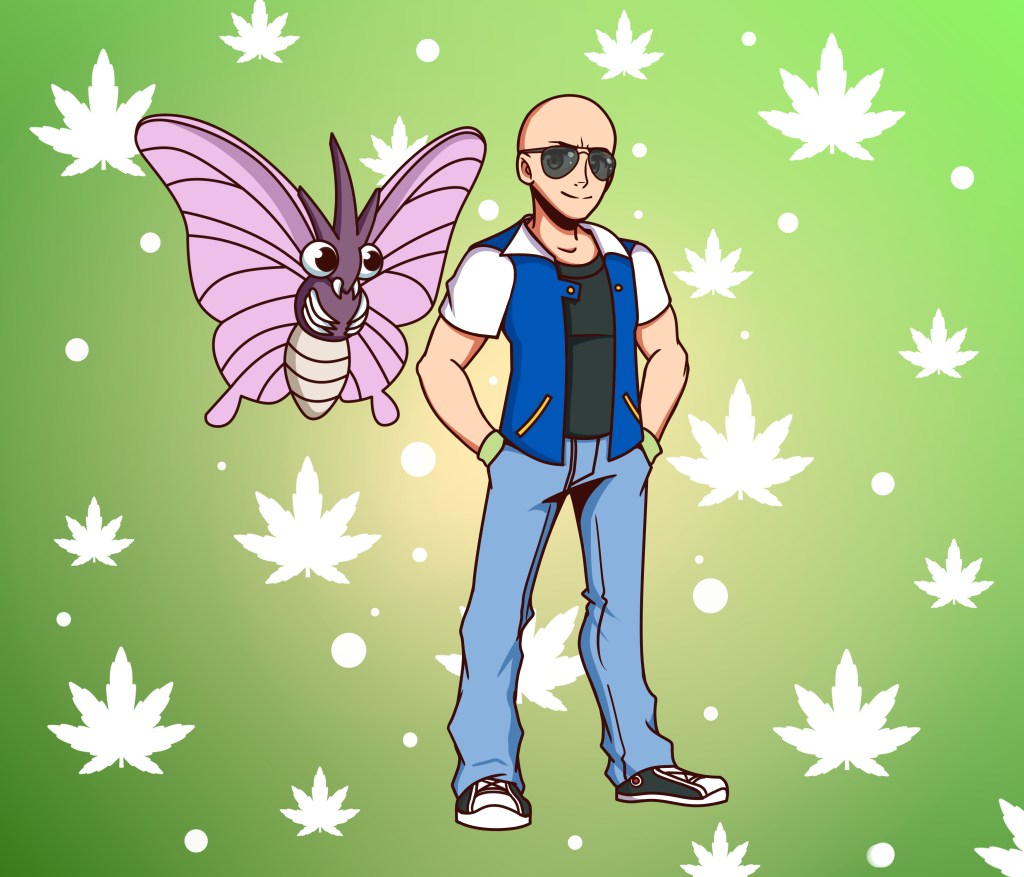
After proving myself for a few months, my manager told me he wanted to move me to the “Venomoth” area, which covered the San Gabriel Valley. It included cities like West Covina, Monrovia, Temple City, Arcadia, Azusa, and several others. I pushed back at first because I was happy where I was and had built relationships with the clientele in LA, but he assured me I’d make much more money and would be happier once I gave the new area a chance.
My new zone was about 45 minutes from our base in Hollywood, so I had to drive nearly an hour before making my first delivery. Once I got out there, though, I immediately saw that it was a much better area to drive in. I didn’t have to deal with narrow streets, heavy traffic, or the constant sense of danger I felt in Los Angeles. Now I was in the suburbs, surrounded by open roads, freeways, and shopping centers. It was a whole different vibe and a welcome change of pace.
It would’ve been a big mistake to be stubborn and stay in my first zone just because I was comfortable. My gas money and tips doubled, and I was much better off. I didn’t realize it at the time, but when I first took this job, I showed up every day, always brought back the money I collected, and covered shifts when people called out. I was a great worker, and management trusted me with more responsibility than some people who had worked there longer than me.
Management always notices reliable workers and team players, so take your job seriously. That way, when they think about promoting someone, your name is the first to come to mind.
The promotion was great for my wallet, but it destroyed my car. I was now driving close to 200 miles a day, which meant constantly taking it to the mechanic for oil changes, brakes, and tires. Every time I got ahead with my savings, something went wrong, and I had to spend hundreds of dollars on repairs. It was frustrating, but it came with the territory. You can’t drive that much and expect your car not to have problems.
A solution came during a conversation with my co-worker before a shift. He mentioned that when he first got hired, something happened to his car and he had to rent one every week. Renting a car for a job like this seemed like a no-brainer. You get a nice whip and don’t have to worry about maintenance, so I made a reservation at a local Enterprise to try it out. When I walked into the lot, I saw a wide array of cars, all of them better than mine. I started off renting Nissan Altimas, but one day I strolled into the lot and saw a car I’d always dreamed of owning.
The Dodge Challenger
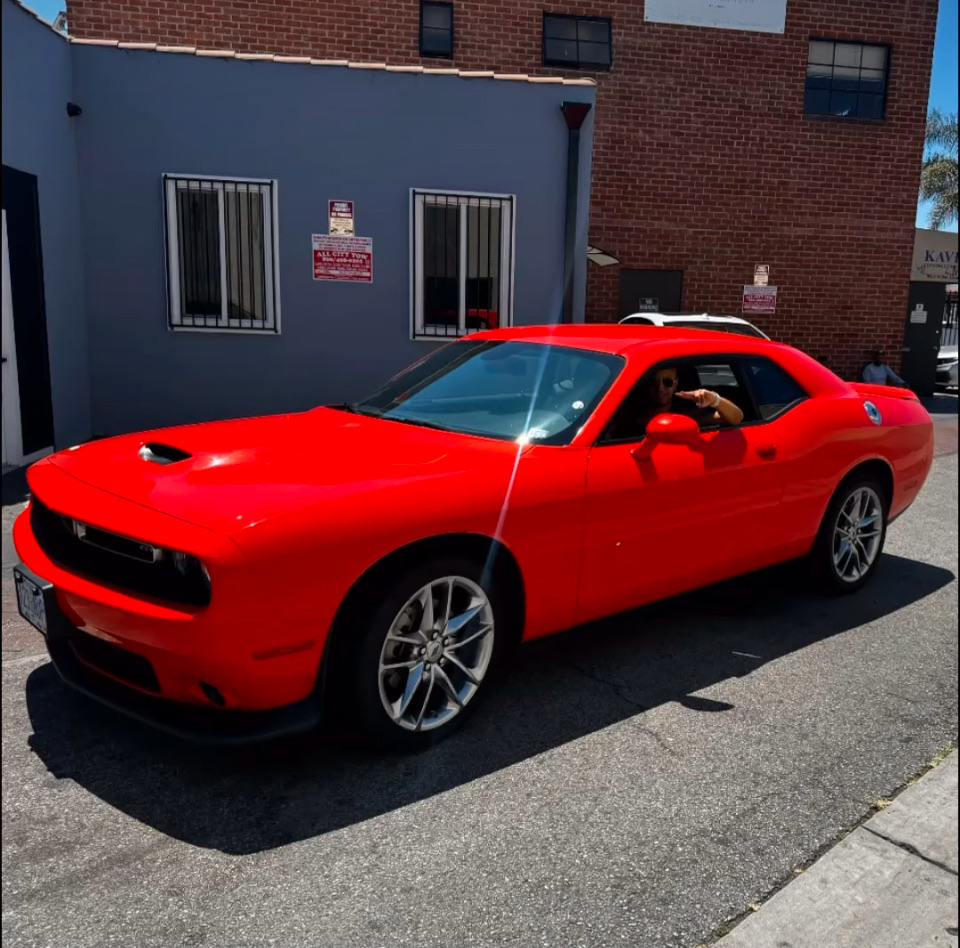
I looked into the rental cost, and it wasn’t much more than a regular car. Since I was driving about 10 hours a day and my car was basically my office, I decided to upgrade. It was easy to justify the extra cost. When I pulled out of the parking lot in the Challenger, I felt so bossed up. I’d never driven a car that stylish, and the cockpit had bright lights around the speedometer that made me feel like Speed Racer.
The Challenger was a gas guzzler, so I was constantly stopping at gas stations to fill up. It was worth it, though, because I was cruising around in luxury.
That experience taught me a powerful lesson about perception. Driving a fancy sports car made people think I had more money than I did. Nobody knew it was a rental. I got ten times more attention in that car than I ever did driving around in my beat-up Chevy Malibu. There was even one girl I delivered to who had always been cold toward me. Once I started pulling up to her house in an expensive car, I instantly became someone worth talking to.
It’s crazy how people will switch up on you when they think you have money, and it goes both ways.
Some of my co-workers were genuinely happy for me, while others seemed bitter that I was no longer part of the tribe of old, run-down cars. They already knew I was making more money than them because I had one of the hottest zones, but now it probably felt like I was rubbing it in their faces every time I pulled up to the dispensary in the nicest car. I had become a reminder that they still had to spend their days delivering in rougher areas to customers who didn’t tip.
I’d joke with my homies at work that I always got depressed at the end of the week when I had to return my rental. I felt like Eminem in “Lose Yourself” when he said, “Snap back to reality,” and I had to go back to my shitty car. Still, I felt blessed to spend most of the week driving my dream car.
Out in my new zone, I gradually stopped packing my lunch and started eating out every day. Once you get used to that, it’s hard to go back to a boring sandwich, even though it’s cheaper and healthier. It’s just not as sexy as having someone else cook for you and ordering whatever you want. You pay a price for it, though, when you look in the mirror and start wondering if you’re pregnant.
I mostly went to fast-food places like Carl’s Jr. and Taco Bell, but I kept noticing people selling Mexican food in the areas I serviced. I always overlooked those spots until one day I decided to give them a shot, and I ended up having one of the best carne asada burritos of my life. After that, I stopped going to drive-throughs and started eating almost exclusively at food stands. I’d rather support local people in the community than hand my money over to greedy corporations.
Don’t sleep on people who run food stands on the side of the road. They take their craft seriously, and the food is often better than you’d expect.
I also learned a poignant lesson from the families I’d see eating at these stands. Many of them seemed to be working-class people who didn’t have much, but at the end of the day, they sat together, enjoying a meal and each other’s company. They seemed grateful for what they had, and it reminded me that having more money doesn’t necessarily make you happier.
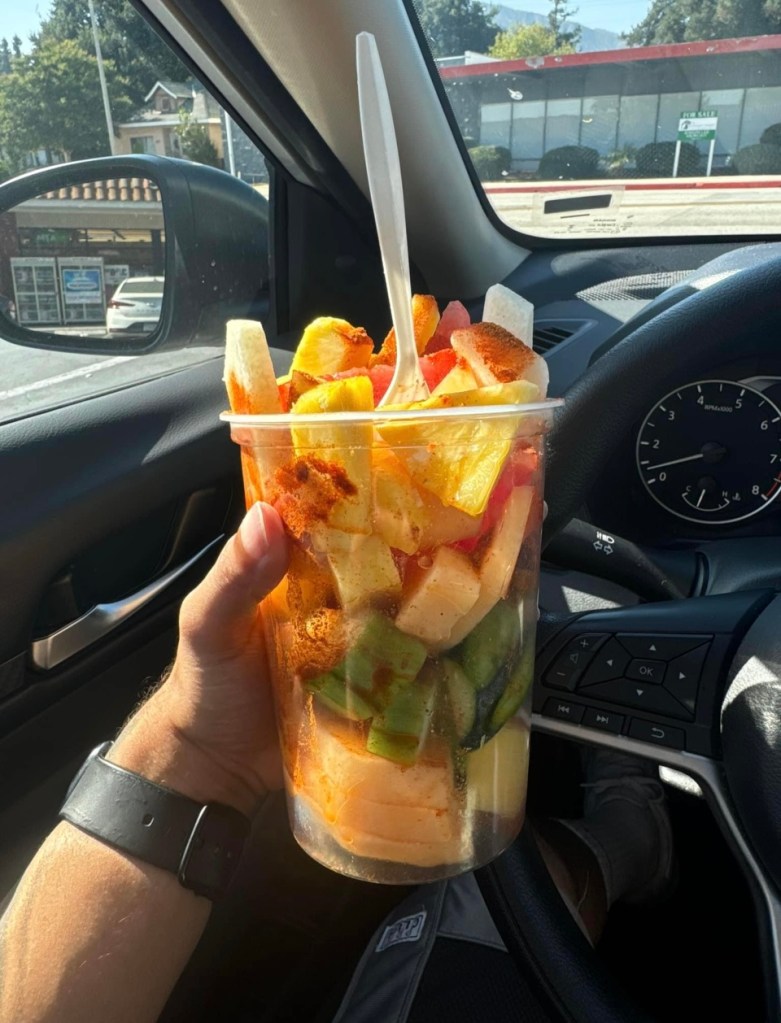
My favorite snack on the road came from a guy selling fruit in front of a 7-Eleven I stopped at all the time. He was Hispanic and barely spoke English, but he made the best fruit cups. They were filled with pineapple, mango, cucumber, watermelon, jicama, and other fresh ingredients, then topped with lime and chili seasoning. They were so good that I became a regular and stopped by his stand a couple of times a week.
I told my friend about my success, and he asked if I could help get him hired. I reached out to my manager and told her that as soon as an opening came up, I had a reliable worker ready to go. It wasn’t long before he joined the delivery squad.
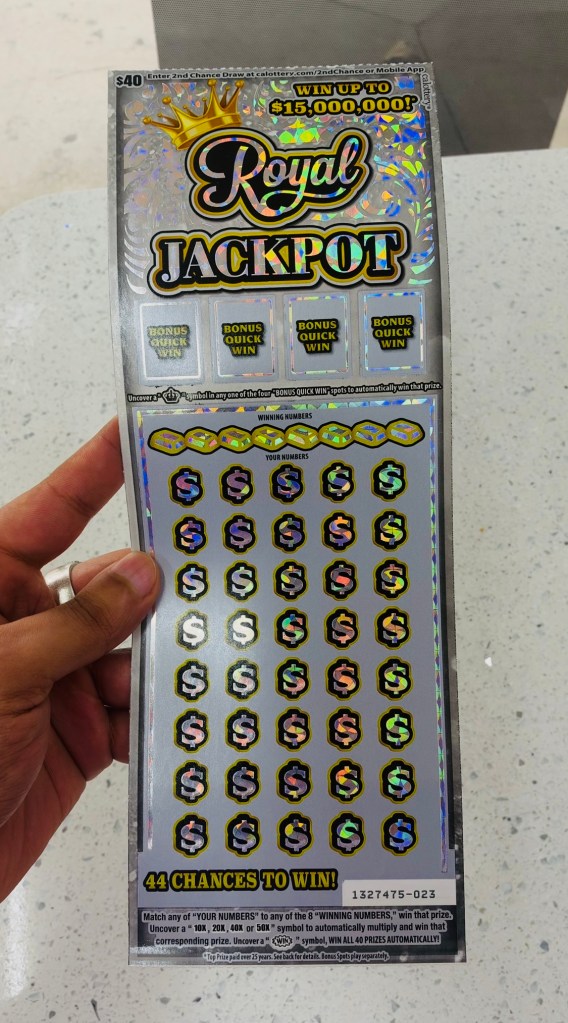
My friend is a compulsive gambler and started sending me pictures of lottery scratchers he bought while making deliveries. My grandma used to buy them all the time too, but I never bought them myself or understood the appeal. Soon enough, though, I decided to buy one just for kicks.
Scratchers come in different denominations, from $2 to $40, with the pricier ones made from shiny materials and promising a chance to win millions of dollars. Given my tendency to get addicted to just about every pleasurable vice imaginable, my foray into the gambling world proved to be a costly mistake. I got addicted to the ritual of walking into a liquor store, choosing a scratcher, and using my keys to scratch off the numbers. The anticipation gave me a rush, and I kept hoping I’d hit it big and retire young.
As I drove through different cities, I’d wait until I came across a liquor store that looked like it had a winning ticket. For some reason, I had it in my head that the more ghetto the liquor store looked, the more likely it was to have my million-dollar prize. Of course, I never won anything substantial, and when I did, it was usually just enough to buy another ticket.
At first, I bought scratchers just for fun. Then it got to the point where I was buying tickets hoping I’d win millions of dollars and get rescued from all my problems. That’s a place of desperation. Once you reach that point mentally, it’s time to stop playing, and that’s what I did.
Sometimes I’d be driving around thinking about how I ended up a grown man in his 30s delivering weed all day, albeit legally. Some people go to college to become doctors or teachers, and here I was sitting in an empty church parking lot in the middle of the day with thousands of dollars’ worth of weed in my trunk, packing orders. Most people would probably call me a loser, but I’d never been happier.
Driving through different cities 50 miles from my house showed me how vast the world really is. We spend so much of our lives going to the same job, gym, and gas station that we don’t realize how many different communities exist throughout our state, let alone the rest of the world. You only know what you see, and traveling across the map opened my eyes to the possibility of living somewhere else one day.
Things were going so well that quitting had never crossed my mind. Then, out of nowhere, the company changed owners, and things went downhill fast. Management fired a bunch of warehouse workers and made the drivers take over their duties of sorting products and loading them into our bags without increasing our pay. They also moved us to a different building in a sketchy alley with no parking. Then business slowed down because the customer service got worse, and everyone’s pay was cut. Before long, I could barely cover the cost of my car rental, and the extra work wasn’t worth the hourly wage they were offering. My sweet gig had ended, and I let my manager know I was quitting.
I rebounded quickly and found a higher-paying job with benefits. The pay was triple what I made as a delivery driver. Even though I was in a technically better situation, I missed the freedom of the road. I was no longer sitting in a Dodge Challenger; I was stuck behind a desk for an eight-hour shift. Instead of having short conversations with stoners throughout the day, I was having lengthy, back-to-back conversations where I had to answer questions and explain my company’s services. Then there were the inevitable nosy co-workers who wanted to dig into my life and drill me with personal questions.
It was a great company, though, and I was lucky to get the opportunity.
My adventures selling weed were fun while they lasted, but it wasn’t a realistic long-term job for me. If delivering weed paid me a living wage, though, you better believe I’d spend the rest of my life driving up and down random streets looking for a place to pack orders, getting out of my car and shuffling through a duffel bag of weed products, talking to a stoner who told me to park one house away because he didn’t want his family to know he was buying weed, then hitting the freeway full speed in my Challenger as I passed the mountains in Monrovia, California, on my way to the next customer.
When I look back on the time I spent delivering weed, I’ll always remember it as the happiest time of my life.

