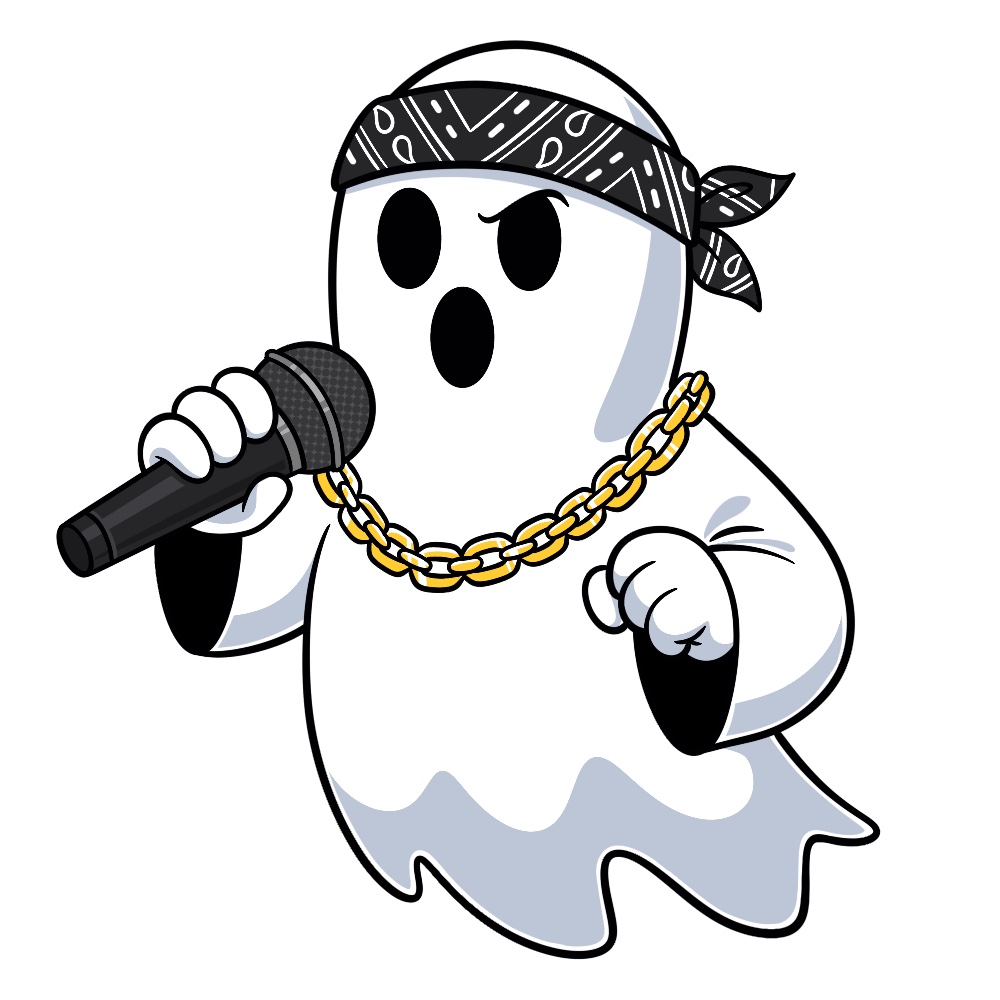
No genre of music has more loyal fans than Hip-Hop. Rap aficionados are passionate about the art form and ride or die for their artists. You can be fighting a RICO charge like Young Thug, and we’ll be outside the courthouse holding “Free Young Thug” signs and campaigning on social media. Or you can be fighting a murder charge like Snoop Dogg in ’95, and we’ll still be rolling up a blunt, bumping “Gin and Juice.”
There’s one cardinal sin, though, that even the most die-hard fans won’t defend: a rapper getting exposed for using a ghostwriter and not being the spirit behind the lyrics on their songs.
That backlash is unique to Hip-Hop culture. Pop fans couldn’t care less that Michael Jackson didn’t write “Thriller,” because singers are given props mainly for their vocal performance. In Hip-Hop, there’s a laser focus on the words being delivered, and we worship our artists for their clever bars. So fans see it as the highest form of treachery when they find out someone else wrote a rapper’s lyrics.
The biggest ghostwriting controversy in Hip-Hop erupted back in 2015 when Meek Mill lashed out at Drake on Twitter for not helping promote his album, despite Drake having a verse on the song “R.I.C.O.” Meek tweeted, “Stop comparing drake to me too…. He don’t write his own raps! That’s why he ain’t tweet my album because we found out!” Soon after, multiple reference tracks leaked with an up-and-coming Atlanta rapper and songwriter named Quentin Miller rapping early versions of several of Drake’s songs, raising questions about how much of his own lyrics Drake had actually written.
This exposure should’ve been a Mortal Kombat Fatality, but Drake, who had a nice-guy image at the time, did the unthinkable. He immediately came back with two diss tracks, including the classic “Back to Back.” By the time Meek responded with “Wanna Know,” it was too late. Drake had so much momentum that Meek took the L in the battle. Some say Meek won the war, though, because to this day Hip-Hop purists won’t put Drake among the greats since he didn’t write all of his songs.
The beef brought the ghostwriting conversation to the forefront and left rap heads asking: Are rappers allowed to use ghostwriters? How much help is considered okay? Can a rapper be considered the greatest of all time if they don’t write all of their songs?
Not every Hip-Hop artist is held to the same strict standard. Select artists get a pass for using ghostwriters. Ice Cube wrote “Boyz-n-the-Hood” for Eazy-E, Jay-Z wrote “Still D.R.E.” for Dr. Dre, and Rhymefest helped write Kanye West’s Grammy-winning hit “Jesus Walks.” None of them received the same backlash Drake got, even though it’s always been public knowledge that they had help with their music.
Hip-Hop fans tend to give artists a pass on their songwriting when they came in the game as producers, make party music, or aren’t in the GOAT conversation. We’ll still bump their music, but we don’t want to hear braggadocio raps about how vicious their pen is (except from Kanye, who is so confident we’ll go along with whatever he says). The best move for a rapper who uses ghostwriters is to own it. If fans hear it from anyone other than the artist, they’re going to be livid.
One major part of the ghostwriting debate gets overlooked because most fans have never made music themselves. Creating music is a collaborative process. A rapper might be recording in the studio with a producer who tells them their chorus or punchline sucks and suggests something better. The producer takes what the artist brings and helps polish it, offering an outside ear on what’s worth keeping and what needs to change.
It’s far-fetched to think most artists are going to walk in the studio and write hit after hit completely unassisted. They usually record with people they trust who will keep it real with them. Even if they wrote most of the song, they likely got help in a few spots, and fans end up with better music.
It’s easy to see why many fans and rappers view ghostwriting as cheating. When an artist is listening to a beat, everything they’ve experienced is flowing through their head. They have access to insecurities and struggles that are unique to them. When other writers get involved, that rapper suddenly has access to experiences they’ve never lived. They also don’t have to work as hard at the craft, since someone else is doing the thinking for them. They get to skip the painstaking process every lyricist goes through: sitting down and coming up with the next witty punchline or rhyme scheme.
The average fan probably thinks rappers have the easiest job. Just putting words together and making millions. But they don’t see the rapper behind the scenes staring at a notebook for hours, fighting writer’s block, wondering if they have what it takes to make a classic.
Fans also want to believe a rapper is telling their own story. Imagine if Eminem just happened to be a talented rapper and some random guy who had problems with his mom wrote his songs. Or if DMX was actually a happy guy with a deep voice and someone else who had demons and loved dogs created his rap persona. It doesn’t hit the same when you know the music came from somebody else and the artist is just delivering the lines. You might enjoy the music, but you can’t help but lose a little respect.
Older Hip-Hop fans who came up during the Golden Age are the least forgiving when it comes to rappers using ghostwriters. They witnessed legendary lyricists like Rakim, 2Pac, KRS-One, Biggie, Prodigy, and Ice Cube in their primes. They’ll immediately lose respect for any rapper who goes into a vocal booth and spits rhymes that were written by somebody else.
These days, Hip-Hop isn’t limited to the hardcore fans who were there from the beginning. The genre has been around for more than 50 years, and as new generations came up, they cared less about the unspoken rules real MCs lived by. Authenticity will always matter in rap, but as time goes on, the penalty for being inauthentic seems to get lighter. For a lot of younger fans, all that matters is if the song slaps. Who wrote it is an afterthought.
My opinion on ghostwriting has evolved since I was a young Hip-Hop fan who gravitated toward lyricists and shunned any rapper who didn’t write their own material. Now I’m an artist who writes his own songs and has collaborated with rappers and producers in the studio.
At the end of the day, rappers will always get more respect when they write their own material. As rap fans, we have one expectation: when we hear a rapper spit, we assume they wrote their verse themselves. We don’t even question it. Getting a suggestion for a punchline or chorus here or there is fine. As long as an MC came up with most of the song, nobody has a problem.
If a rapper just has a good rap voice and can deliver other people’s material in a way that connects, that’s cool too. If they’re making music that can change lives, they shouldn’t stop because the most hardcore fans won’t fully respect them. Plenty of Hip-Hop legends have used ghostwriters, and in the grand scheme of things, their legacies are still intact.
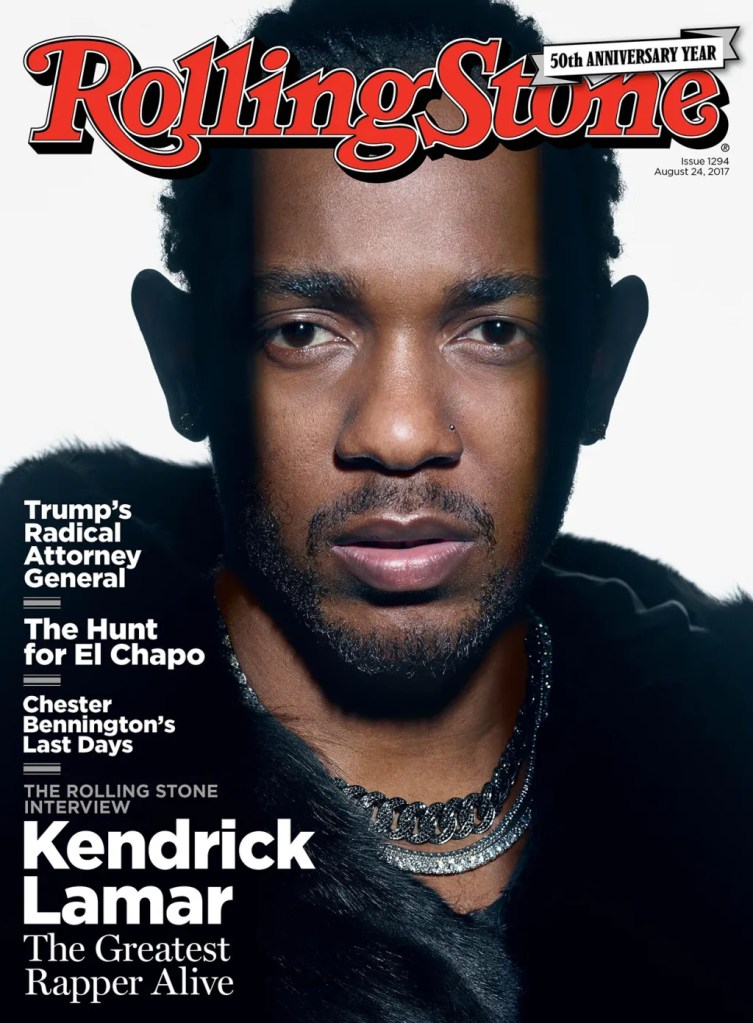
But when we’re having a heated debate in the barbershop about who’s the GOAT, ghostwriting will be one of the first things that gets scrutinized. Many fans will agree with Kendrick Lamar, who told Rolling Stone in 2017, “I cannot call myself the best rapper if I have a ghostwriter.”


The distinction you draw between a producer tightening a punchline in the studio and a full ghostwritten verse is the part of this debate that usually gets flattened. A suggestion here or there still leaves the MC as the person behind the song; handing over the whole verse does not. I also think you are right that Kendrick’s line about not calling himself the best rapper if he has a ghostwriter still decides the barbershop GOAT argument, even if younger listeners mainly care whether the record slaps.
LikeLiked by 1 person