Childhood Clue’s

Looking back at my childhood, I was obviously meant to be an artist. So much of my time was spent writing and reading books. As I got older, I quit engaging in those activities, though. Adult life and responsibilities took over, and I became a rigid adult focused on surviving. I lost sight of who I was and became miserable as a result.

One day I decided to buy a notebook and start writing again. Before I went to sleep, I wrote about my day and how it went. It helped me learn more about myself and gave me a way to vent since I had nobody to talk to. This daily writing habit inspired me to create a blog and make music. None of this would’ve happened if I hadn’t returned to my childhood hobbies.

If you feel lost in life, the best thing to do is reflect on what made you happy growing up. Reconnecting with those passions can help guide you toward your purpose.

If you’re trying to figure out what you’re meant to do… your childhood contains all the clues🕵️‍♂️.

No Respect For Success via Wickedness

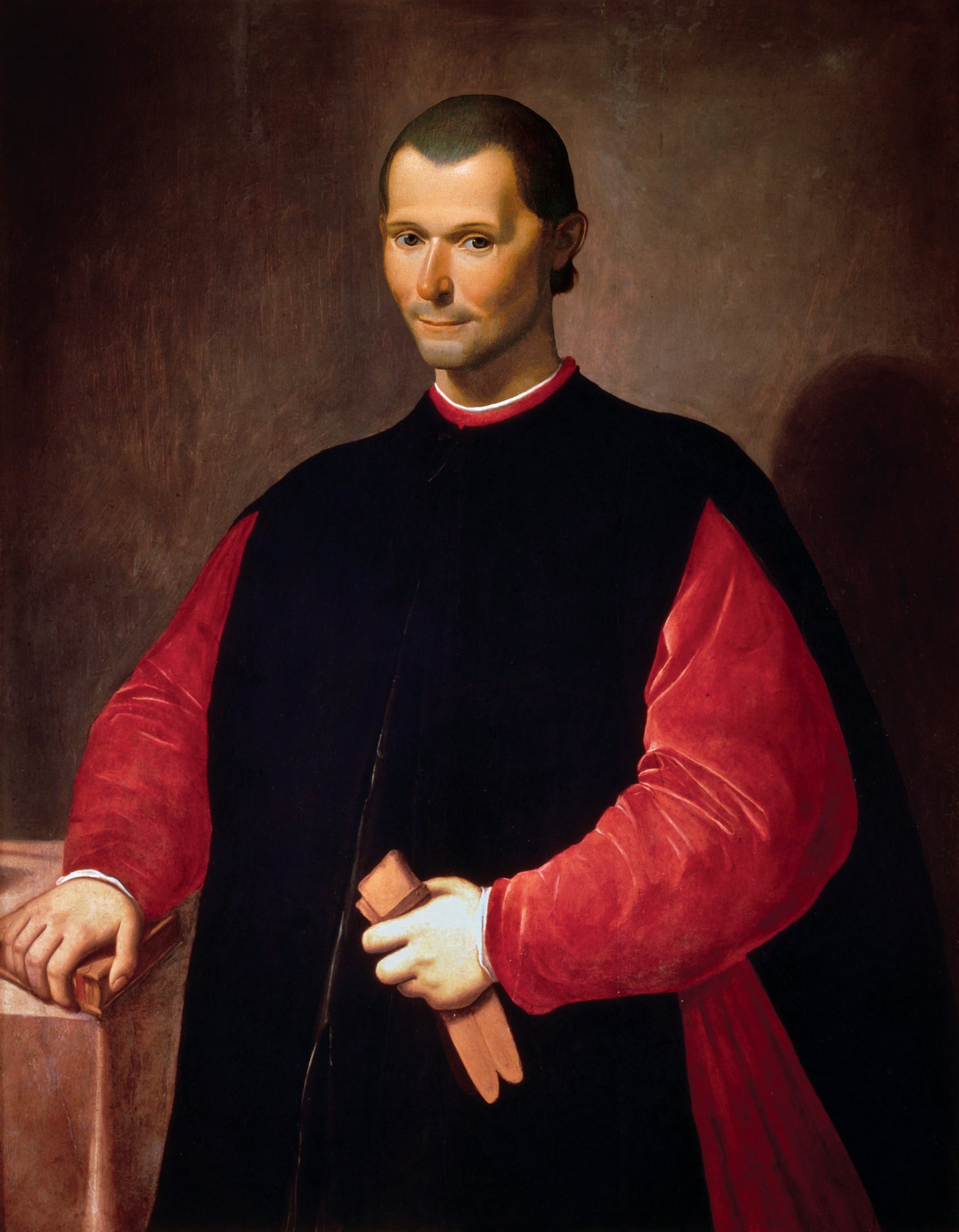
Excerpt from “The Prince” by Niccolò Machiavelli

Chapter VIII – Concerning those who have obtained a principality by Wickedness.

“Although a prince may rise from a private station in two ways, neither of which can be entirely attributed to fortune or genius, yet it is manifest to me that I must not be silent on them, although one could be more copiously treated when I discuss republics. These methods are when, either by some wicked or nefarious ways, one ascends to the prinicpality, or when by the favour of his fellow citizens a private person becomes the prince of his country. And speaking of the first method, it will be illustrated by two examples – one ancient, the other modern – and without entering further into the subject, I consider these two examples will suffice those who may be compelled to follow them.

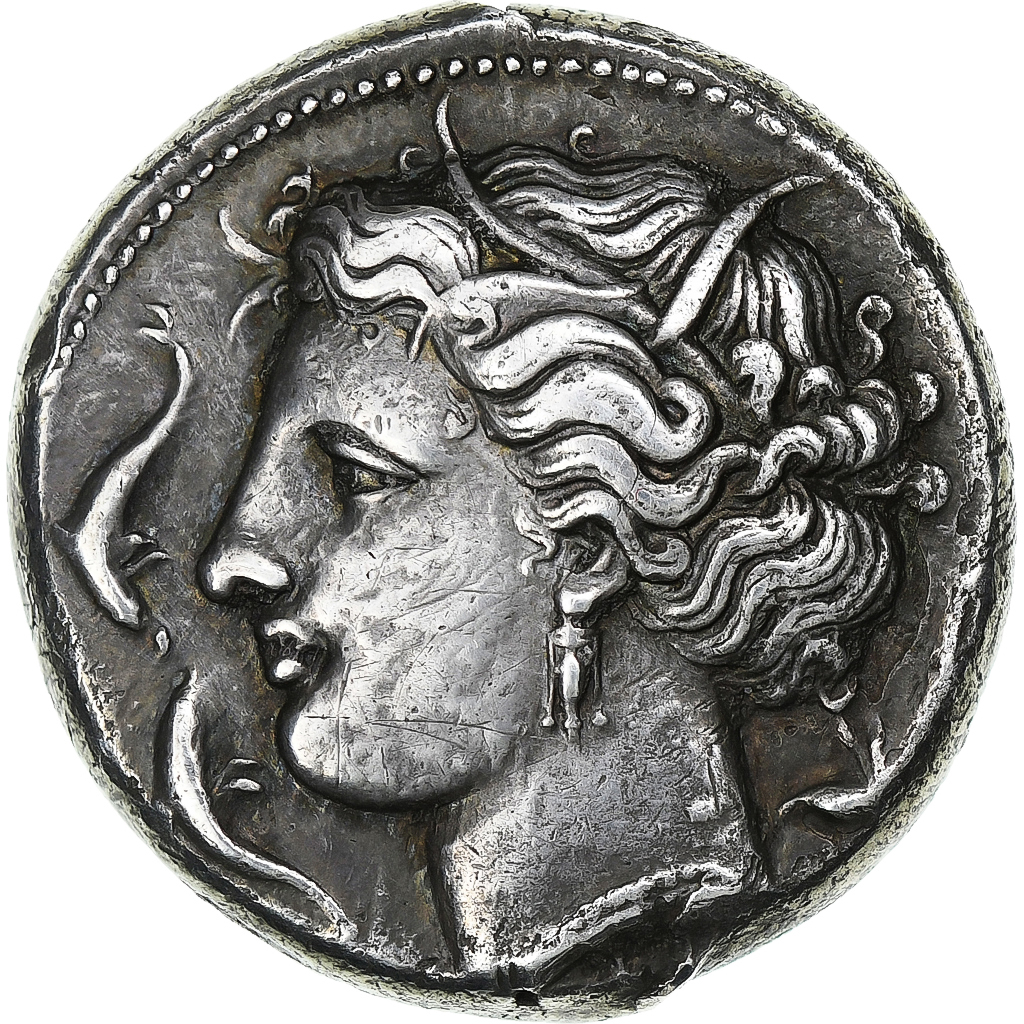
Agathocles, The Sicilian

Agathocles, the Sicilian, became King of Syracuse not only from a private but from a low and abject position. This man, the son of a potter, through all the changes in his fortunes always led an infamous life. Nevertheless, he accompanied his infamies with so much ability of mind and body that, having devoted himself to the military profession, he rose through its ranks to be Praetor of Syracuse. Being established in that position, and having deliberately resolved to make himself prince and to seize by violence, without obligation to others, that which had been conceded to him by assent, he came to an understanding for this purpose with Amilcar, the Carthaginian, who, with his army, was fighting in Sicily.

One morning he assembled the people and the senate of Syracuse, as if he had to discuss with them things relating to the Republic, and at a given signal the soldiers killed all the senators and the richest of the people; these dead, he seized and held the princedom of that city without any civil commotion. And although he was twice routed by the Carthaginians, and ultimately besieged, yet not only was he able to defend his city, but leaving part of his men for its defence, with the others he attacked Africa, and in a short time raised the siege of Syracuse. The Carthaginians, reduced to extreme necessity, were compelled to come to terms with Agathocles, and, leaving Sicily to him, had to be content with the possession of Africa.

Therefore, he who considers the actions and the genius of this man will see nothing, or little, which can be attributed to fortune, inasmuch as he attained pre-eminence, as is shown above, not by the favour of any one, but step by step in the military profession, which steps were gained with a thousand troubles and perils, and were afterwards boldly held by him with many hazardous dangers. Yet it cannot be called talent to slay fellow-citizens, to deceive friends, to be without faith, without mercy, without religion; such methods may gain empire, but not glory.

Still, if the courage of Agathocles in entering into and extricating himself from dangers be considered, together with his greatness of mind in enduring and overcoming hardships, it cannot be seen why he should be esteemed less than the most notable captain. Nevertheless, his barbarous cruelty and inhumanity with infinite wickedness do not permit him to be celebrated among the most excellent men. What he achieved cannot be attributed either to fortune or genius.

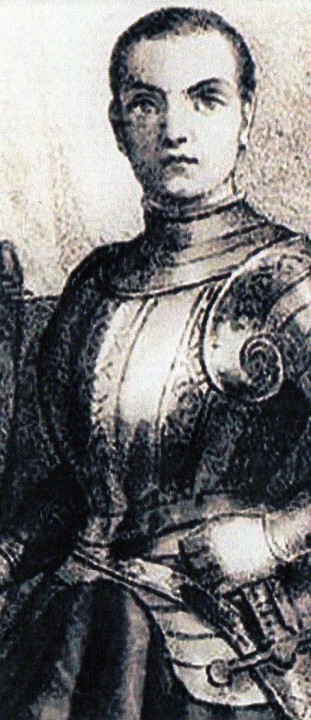
Oliverotto da Fermo

In our times, during the rule of Alexander the Sixth, Oliverotto da Fermo, having been left an orphan many years before, was brought up by his maternal uncle, Giovanni Fogliani, and in the early days of his youth sent to fight under Pagolo Vitelli, that, being trained under his discipline, he might attain some high position in the military profession. After Pagolo died, he fought under his brother Vitellozzo, and in a very short time, being endowed with wit and a vigorous body and mind, he became the first man in his profession. But it appearing a paltry thing to serve under others, he resolved, with the aid of some citizens of Fermo, to whom the slavery of their country was dearer than its liberty, and with the help of the Vitelleschi, to seize Fermo.

So he wrote to Giovanni Fogliani that, having been away from home for many years, he wished to visit him and his city, and in some measure to look upon his patrimony; and although he had not laboured to acquire anything except honour, yet, in order that the citizens should see he had not spent his time in vain, he desired to come honourably, so would be accompanied by one hundred horsemen, his friends and retainers; and he entreated Giovanni to arrange that he should be received honourably by the Fermians, all of which would be not only to his honour, but also to that of Giovanni himself, who had brought him up.

Giovanni, therefore, did not fail in any attentions due to his nephew, and he caused him to be honourably received by the Fermians, and he lodged him in his own house, where, having passed some days, and having arranged what was necessary for his wicked designs, Oliverotto gave a solemn banquet to which he invited Giovanni Fogliani and the chiefs of Fermo. When the viands and all the other entertainments that are usual in such banquets were finished, Oliverotto artfully began certain grave discourses, speaking of the greatness of Pope Alexander and his son Cesare, and of their enterprises, to which discourse Giovanni and others answered; but he rose at once, saying that such matters ought to be discussed in a more private place, and he betook himself to a chamber, whither Giovanni and the rest of the citizens went in after him.

No sooner were they seated than soldiers issued from secret places and slaughtered Giovanni and the rest. After these murders Oliverotto, mounted on horseback, rode up and down the town and besieged the chief magistrate in the palace, so that in fear the people were forced to obey him, and to form a government, of which he made himself the prince. He killed all the malcontents who were able to injure him, and strengthened himself with new civil and military ordinances, in such a way that, in the year during which he held the principality, not only was he secure in the city of Fermo, but he had become formidable to all his neighbours. And his destruction would have been as difficult as that of Agathocles if he had not allowed himself to be overreached by Cesare Borgia, who took him with the Orsini and Vitelli at Sinigalia, as was stated above.

Thus one year after he had committed this parricide, he was strangled, together with Vitellozzo, whom he had made his leader in valour and wickedness.


Some may wonder how it can happen that Agathocles, and his like, after infinite treacheries and cruelties, should live for long secure in his country, and defend himself from external enemies, and never be conspired against by his own citizens; seeing that many others, by means of cruelty, have never been able even in peaceful times to hold the state, still less in the doubtful times of war. I believe that this follows from severities being badly or properly used. Those may be called properly used, if of evil it is possible to speak well, that are applied at one blow and are necessary to one’s security, and that are not persisted in afterwards unless they can be turned to the advantage of the subjects.

The badly employed are those which, notwithstanding they may be few in the commencement, multiply with time rather than decrease. Those who practise the first system are able, by aid of God or man, to mitigate in some degree their rule, as Agathocles did. It is impossible for those who follow the other to maintain themselves.

Hence it is to be remarked that, in seizing a state, the usurper ought to examine closely into all those injuries which it is necessary for him to inflict, and to do them all at one stroke so as not to have to repeat them daily; and thus by not unsettling men he will be able to reassure them, and win them to himself by benefits. He who does otherwise, either from timidity or evil advice, is always compelled to keep the knife in his hand; neither can he rely on his subjects, nor can they attach themselves to him, owing to their continued and repeated wrongs. For injuries ought to be done all at one time, so that, being tasted less, they offend less; benefits ought to be given little by little, so that the flavour of them may last longer.

And above all things, a prince ought to live amongst his people in such a way that no unexpected circumstances, whether of good or evil, shall make him change; because if the necessity for this comes in troubled times, you are too late for harsh measures; and mild ones will not help you, for they will be considered as forced from you, and no one will be under any obligation to you for them.”

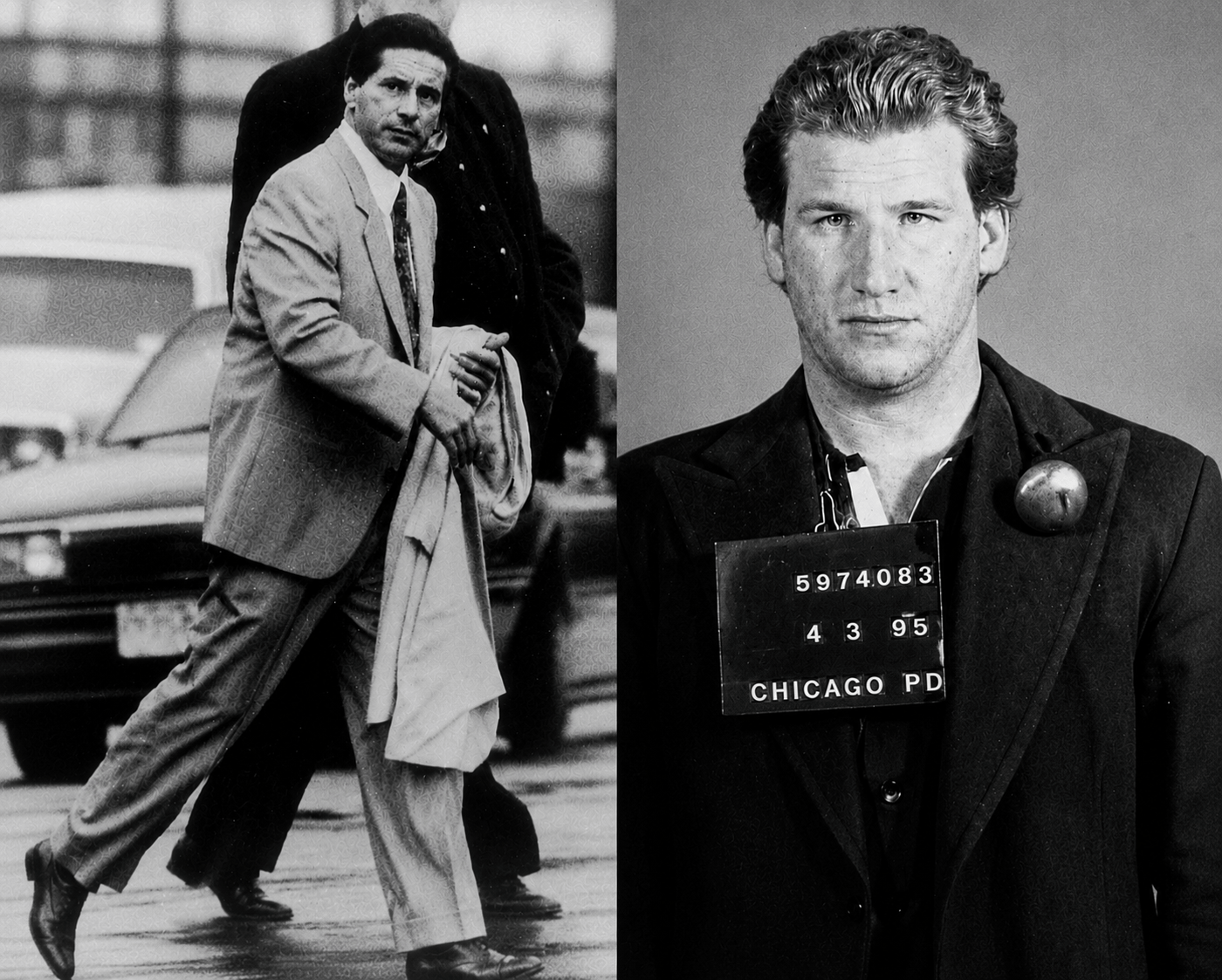
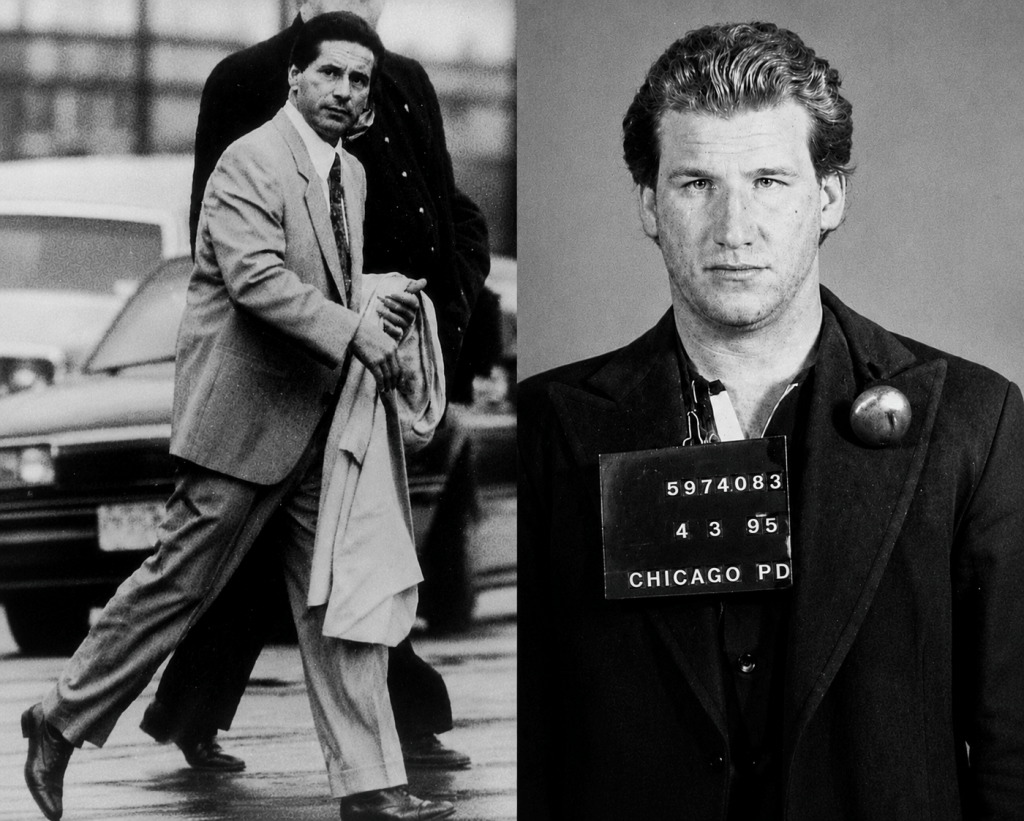
Anthony “Gaspipe” Casso gets revenge on Jimmy Hydell

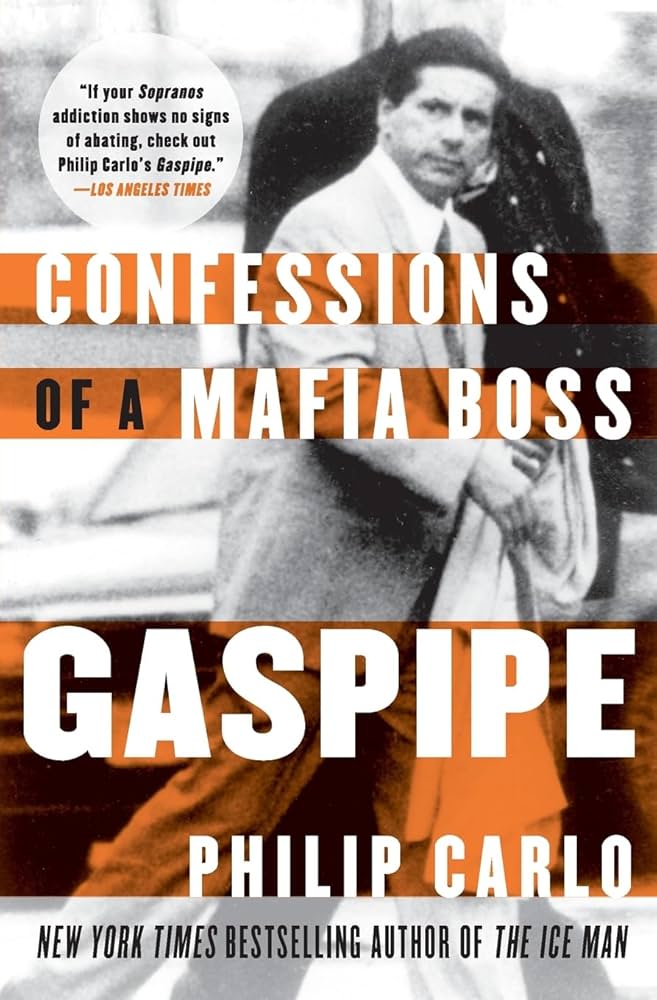
Excerpt from Gaspipe: Confessions of a Mafia Boss by Philip Carlo

On September 14, 1986, the now forty-four-year-old Anthony Casso very nearly lost his life.

A hit team led by a Brooklyn killer named James Hydell was given a contract to murder Anthony Casso. Hydell knew this was a particularly dangerous business, and there would only be one shot at killing him. Hydell also knew the contract was coming from the Gambino crime family. Hydell, a psychopathic Mafia wannabe, was chosen for this job because he didn’t have the good sense not to try to kill Gaspipe and he was just ballsy enough to pull it off. He was given the contract by Gambino capo Angelo “Quack Quack” Ruggiero. Ruggiero would later say that he did this without John Gotti’s blessing, that Gaspipe was taking a larger piece of the heroin pie the Gambino and Lucchese families shared, and that he felt Casso was an imminent threat to the well-being of the Gambino family. Ruggiero’s days were numbered.

September 14 was a quiet, lazy Sunday, a balmy day. Anthony had dinner at home with his family—his wife, Lillian; his son, Anthony Junior, age thirteen; and his daughter, Jolene, age sixteen.

James Hydell had been trying to murder Gaspipe for several weeks now. He knew if he didn’t pull it off soon, Gaspipe might very well learn of the contract and strike first. Casso had numerous plants and contacts in all of the families, and the FBI and NYPD as well; time was definitely on his side. Hydell knew he was playing a deadly game here and he was intent upon winning it. This murder, he was sure, would immediately raise his stature in the underworld and would ensure that his earning capacity would increase exponentially. He would be respected; he would be rich; he could walk with his head higher. People would point at him and stare in awe.

Hydell had tried, without luck, to find out where Gaspipe lived. He had, however, learned on Friday, September 12, that Casso would be meeting Fat Vinny, a Gambino thief who had access to stolen bearer bonds he regularly sold to Casso, at the Golden Ox on Sunday, the fourteenth.

The Golden Ox was a restaurant at East Seventy-second Street and Veterans Avenue, a mile as the crow flies from Casso’s home at East Seventy-second Street.

Casso, himself a consummate professional assassin, knew intimately the rhythm of murder—efficiently taking a human life when and where and how the job called for. As a matter of course, he constantly checked the rearview mirror, people’s body English and their eyes, and made sure he knew all that was going on around him. All this he did automatically, unconsciously…

When Anthony got up to leave ten minutes before eight that balmy Sunday evening, Lillian asked him to pick up some Carvel ice cream. He said he would and left, having no idea that four tense men with very bad intentions, guns cocked and ready, were waiting to kill him.

Casso slowly approached the Golden Ox Restaurant. It was in a small triangular shopping center. He passed it and made sure all was clear, his dark eyes automatically reading and analyzing what he saw. He made a U-turn a block away, just in front of Hydell’s car at Seventy-first Street. Hydell knew Casso was driving a tan Lincoln Town Car; he now saw Casso, and he and his cohorts quickly ducked down in time and Casso did not make them. Hydell had a pump shotgun clutched in his hands loaded with double-ought buckshot; it was a weapon that could blow a cantaloupe-sized hole in a man and readily tear off an arm or a leg. Casso made his way west along Veterans Avenue. He eased the Town Car into a bus stop, parked, and turned off the engine. This was an unusually wide two-way street and was virtually abandoned on this mid-September night. Stars glimmered in a cloudless black velvet sky. The weather was balmy and pleasant.

Now Casso made the dark-windowed car slowly creeping up alongside his car, the ominous barrel of a pump-action shotgun suddenly and insidiously protruding from the open window. Before he could reach for his gun under the seat, the car pulled up alongside and a thunderous fusillade tore into Casso’s car.

Luck was with Casso: by his leaning back, the wide window post protected his head. Bullets and buckshot ripped through the doors, shattered windows. Gaspipe was hit. He got low and rolled catlike to the passenger side and opened the door. The driver had come too close to Gaspipe’s car and the shooters could not open the doors. They were boxed in—an error in judgment that no doubt saved Casso’s life. Casso got out of the car and, staying low, swiftly running in a zigzag pattern, took off like a bat out of hell. The shooter’s car moved several feet. Hydell and Nicky Guido jumped from the car, firing recklessly at Gaspipe. He was hit several times more but continued to run with amazing speed.

He ran through the parking lot and ducked into the Golden Ox Restaurant. Bullets and buckshot shattered the glass of the front door. Like a madman, covered in blood, Casso tore through the restaurant, scaring to no end the wide-eyed patrons. He pulled a tablecloth from a table and used it to slow the bleeding. The restaurant had a rear entrance that opened onto Avenue U. Just near this rear door, Casso ducked into a flight of steep stairs that led to the basement. Having no idea of how seriously he was shot, Casso hid in the restaurant’s freezer. He knew the cops would soon be there and wanted nothing to do with them. At this point he had no idea who had tried to kill him but if he lived, if he made it through this, he’d find them and make them pay dearly—profoundly.

Tough as rusted barbed wire, Gaspipe stoically sat on a barrel, seething, waiting for the hurly-burly above him to die down. The cold inhibited the bleeding somewhat, but he could feel himself growing weaker; rage and anger and adrenaline—pure hatred—kept him awake and alert.

Who? he wondered. Who would order this? His mind played over the possibilities—John Gotti, Gigante, someone in his own family—who? His mind reeled with questions.

When Casso was sure the police had gone—they had assumed he’d gone out the back door—he hurried from the freezer and made his way to Avenue U. He walked one block, found a pay phone, and called Vic Amuso, the head of the family, who hurried right over.

“Jesus H. Christ, what happened?” Vic asked, shocked at Casso’s condition. He quickly drove him to Kings Hospital.

At the hospital, Casso explained that he’d been shot in a robbery attempt, still not knowing he’d actually been hit six times. The wounds were cleaned and dressed. Casso refused to let the doctors x-ray him or remove the slugs. He didn’t want the slugs to be able to be used as evidence. Casso spent the night there. In the morning he left and went back home, the bullets still lodged in him, to his wife and children. Lillian had been worried sick and was appalled by his wounds, but as always she was helpful and supportive—she did not recriminate or condemn him. She was his helpmate and support no matter what, through thick and thin, till death do them part. The following day, Casso went to his own doctor, who arranged for a surgeon friend of his to come to the office and remove the six slugs.

Now it was Casso’s turn to become the hunter, and everyone in LCN knew it—knew that Gaspipe had been shot numerous times, knew that he had survived, knew that heads would roll…literally. Casso immediately put the word out that he wanted to know who was behind the assassination attempt. The drums of the Mafia jungle resonated with that question.

More than anyone else in organized crime, Casso had law enforcement contacts, stoolies, plants everywhere. He reached out to them.

Greg Scarpa, the fierce, two-fisted war captain on the Persico side of the Colombo crime family (Vic Orena headed the Orena faction), was six feet, two inches and broad-shouldered and had a fierce countenance, dark eyes, and thinning black hair. Little if anything scared this man. He had, from the early 1960s on, unbeknownst to LCN, secretly worked with the FBI when it was convenient. He was a registered FBI informant, though he was very careful about what he told his “handlers.”

More important, Scarpa had up-to-date information from various FBI agents.

As mentioned earlier, Casso and Scarpa were close. It was Scarpa who first told Casso that a Brooklyn tough named James Hydell was responsible for the attempt on Gaspipe’s life. Casso knew Hydell in passing and didn’t like anything about him; he knew, for instance, that Hydell had abducted a young woman, a neighborhood girl, from a bus stop near the 19th Hole when she was on her way to work, raped her, and shot her to death.

Hydell hung out, Casso also knew, at a candy store on Eighty-sixth Street, Josie’s, a stone’s throw away from the 19th Hole.

Why, Casso wondered, would someone with his head on his shoulders give an important contract like his killing to a lowly tough like James Hydell?

It made little sense. The only reason, he decided, was because Hydell was to be killed after he, Casso, was dead, thus ending any connection to the people who ordered the hit. It was them, their identity Casso was after. Hydell, Casso knew, was a mere cog in the wheel that had tried to crush him. He would, he vowed, find out who was behind the hit. Rather than just murder Hydell, Casso planned to abduct him and get him to a safe house, where he could properly exact revenge and, more important, find out who was really behind the contract.

Gaspipe first turned to FBI agent Doug McCane, who had been on the Lucchese payroll for ten years. He met McCane at an out-of-the-way diner in Flatbush and told him what he knew. Agent McCane promised to get back to Casso soon, knowing how important this was, because both he and Casso knew Hydell would more than likely make a second attempt on Casso’s life.

For Hydell, the clock was ticking; it was just a matter of time.

Gaspipe soon found out that James Hydell lived with his mother on Staten Island, that he was always heavily armed, and that he had an uncle, Donny Marino, who was connected to the Gambino family. Hmm…

Gaspipe now turned to one of his secret weapons, the two crooked NYPD detectives he had on his payroll, Louis Eppolito and Stephen Caracappa. Casso ordered James Hydell to be picked up and brought to him. “Make sure he’s alive,” he said through clenched teeth.

Stone-faced and deadly serious, playing both sides of the fence, thinking they were invincible, above the law, Detectives Louis Eppolito and Stephen Carracapa were cruising Brooklyn and Staten Island streets looking for James Hydell. They had staked out his hangouts, his mother’s home. At one point Hydell’s mother actually walked up to them and questioned the two detectives. They were so obvious, bold…and outright arrogant.

Eppolito was a large, heavyset man. He had a huge round head, three double chins, and large, bulbous fish eyes. In his younger days he had been a muscular weight lifter; now he was an aging, overweight NYPD detective. He had written a book, Mafia Cop, and told how he had relatives who were La Cosa Nostra. Stephen Caracappa, tall and thin, was attached to the organized crime unit. He had a gaunt face, a long, straight nose, and dark circles under his eyes. Both of them had a sour sneer about their faces.

The two cops finally located Hydell in a Brooklyn Laundromat, washing his clothes. They showed their badges and placed him under arrest. He went along with them quietly, having no idea of the living hell that awaited him. He was cuffed and placed in the back of the unmarked police car…business as usual.

“What’s this about?” Hydell asked. “You’ll find out,” Eppolito menacingly assured him.

The two crooked detectives drove to a desolate Brooklyn garage. There they demanded Hydell get out of the car. Now Hydell knew that something wasn’t right, that he was in serious trouble. His worries were compounded a hundredfold when he was roughly placed in the trunk of the car. “Keep quiet!” Caracappa threatened him in little more than a whispered growl. On the evening of October 18, 1986, the two NYPD detectives pulled into the parking lot of Toys “R” Us in Mill Basin. Casso was sitting in a car there waiting for him, anxious to get his hands on Hydell. While this was about revenge in a big way, this was also about learning all there was to know about who exactly ordered the hit. Hydell, he knew, was a mere triggerman. Casso still was not sure just who had tried to kill him, if it was Gotti, Gigante, someone in his own family…perhaps a relative of one of the many he had personally killed or had put to death, but he would find out, of this he was certain. Gaspipe took the car Hydell was in and drove it to the safe house in Mill Basin.

The quiet streets of Mill Basin were lined with trees filled with bright yellow leaves. As strong winds blew, the leaves took flight. In the garage of the safe house, Gaspipe opened the trunk, his face set in a pockmarked granite mask. Anger turned him red. Adrenaline shot through his system. When Hydell saw Casso sneering at him, reaching for him, his worst nightmare was realized; he was looking at the devil himself, he knew. Casso effortlessly pulled Hydell from the trunk by his thick, long hair, beat him with fists, then dragged him to a finished basement where he had laid out a plastic tarp.

“Who,” Gaspipe demanded, “put you up to it?” Hydell immediately spilled the beans, saying that a capo in the Gambino family, Angelo Quack Quack Ruggiero, had given Michael Paradiso and him the contract. Ruggiero was nicknamed Quack Quack because he had an amazing way of ducking indictments. Hydell also said that Nicky Guido and Robert Bering—a retired cop—were in the car. Bering was driving. There was a fourth man, Sammy Russo, driving a second car that would assist in the getaway.

This confirmed what Casso had suspected all along—that John Gotti was behind the attempt on his life. As Hydell moaned, Gaspipe paced back and forth, thinking this out, looking at it from different perspectives. Contrary to what was commonly believed about Casso—that he was a ruthless psychopath, an out-of-control killing machine—he was in fact a judicious, particularly cunning, pensive man…a wily mafioso who kept his cards close to his thickly muscled chest. He would not run into this headfirst; he would be careful. He decided to send for John Gotti and his new underboss, Sammy the Bull Gravano, to hear what they had to say after they heard Hydell, who didn’t quite look human anymore. Hydell was so beaten and battered, his eyes were swollen shut and he had few teeth left in his mouth…a pitiful sight. Casso would later explain that he even felt sorry for him.

Casso next dispatched Vic D’Arco, a trusted Lucchese soldier, to invite Gotti and Gravano to come hear what Hydell was laying down. Gotti, not surprisingly, flat-out refused to come see Gaspipe and listen to Hydell. However, he was not about to ignore Casso because he knew that could spark a full-scale war among the Gambino, Lucchese, and Genovese families. Gotti was sure he’d win a war with any one family, but not with two families at one time. Instead, he sent two of his most trusted, loyal captains, Joseph “Joe Butch” Corrao and “Good Looking” Jack Giordano. By now nearly forty-eight hours had gone by. Hydell’s head had ballooned to obscene proportions. His face was a mass of black and blues, and the whites of his eyes were filled with crimson blood. Even Corrao and Giordano, two seasoned street guys, genuinely tough men, groaned at the shocking sight of Hydell when they saw him.

“Tell them what you told me,” Casso ordered, still seething with anger, and Hydell dutifully told the two Gambino capos the story he’d told Casso. Wary, on guard, they listened. When Hydell finished, Gaspipe pulled a 9mm Beretta from his waistband and shot Hydell fifteen more times, finally killing him. Both Corrao and Giordano assured Casso that Gotti would immediately learn about this, that John had nothing to do with any of it, and that they’d make certain Ruggiero was dealt with properly—severely. “I want his head,” Gaspipe said in a calm, chilled voice. “It’s yours,” Giardano said. They left.

Gaspipe turned Hydell’s body over to Anthony and Joey Senter. They cut him up and left pieces of him in a Brooklyn landfill. Thus, the stage was set for an epic underworld drama of Shakespearean proportions, the likes of which the world had never seen.


Burn Your Ships

Excerpt from “The 33 Strategies Of War” by Robert Greene

Chapter 4

Create a sense of urgency and desperation – The Death-Ground Strategy

You are your own worst enemy. You waste precious time dreaming of the future instead of engaging in the present. Since nothing seems urgent to you, you are only half involved in what you do. The only way to change is through action and outside pressure. Put yourself in situations where you have too much at stake to waste time or resources—if you cannot afford to lose, you won’t. Cut your ties to the past; enter unknown territory where you must depend on your wits and energy to see you through. Place yourself on “death ground,” where your back is against the wall and you have to fight like hell to get out alive.

The No-Return Tactic

In 1504 an ambitious nineteen-year-old Spaniard named Hernán Cortés gave up his studies in law and sailed for his country’s colonies in the New World. Stopping first in Santo Domingo (the island today comprising Haiti and the Dominican Republic), then in Cuba, he soon heard about a land to the west called Mexico—an empire teeming with gold and dominated by the Aztecs, with their magnificent highland capital of Tenochtitlán. From then on, Cortés had just one thought: someday he would conquer and settle the land of Mexico.

Over the next ten years, Cortés slowly rose through the ranks, eventually becoming secretary to the Spanish governor of Cuba and then the king’s treasurer for the island. In his own mind, though, he was merely biding his time. He waited patiently while Spain sent other men to Mexico, many of them never to return.

Finally, in 1518, the governor of Cuba, Diego de Velázquez, made Cortés the leader of an expedition to discover what had happened to these earlier explorers, find gold, and lay the groundwork for the country’s conquest. Velázquez wanted to make that future conquest himself, however, so for this expedition he wanted a man he could control, and he soon developed doubts about Cortés—the man was clever, perhaps too much so. Word reached Cortés that the governor was having second thoughts about sending him to Mexico. Deciding to give Velázquez no time to nurse his misgivings, he managed to slip out of Cuba in the middle of the night with eleven ships. He would explain himself to the governor later.

The expedition landed on Mexico’s east coast in March 1519. Over the next few months, Cortés put his plans to work—founding the town of Veracruz, forging alliances with local tribes who hated the Aztecs, and making initial contact with the Aztec emperor, whose capital lay some 250 miles to the west. But one problem plagued the conquistador: among the 500 soldiers who had sailed with him from Cuba were a handful who had been placed there by Velázquez to act as spies and make trouble for him if he exceeded his authority. These Velázquez loyalists accused Cortés of mismanaging the gold that he was collecting, and when it became clear that he intended to conquer Mexico, they spread rumors that he was insane—an all-too-convincing accusation to make about a man planning to lead 500 men against half a million Aztecs, fierce warriors known to eat their prisoners’ flesh and wear the skins as trophies. A rational man would take the gold they had, return to Cuba, and come back later with an army. Why stay in this forbidding land, with its diseases and its lack of creature comforts, when they were so heavily outnumbered? Why not sail for Cuba, back home where their farms, their wives, and the good life awaited them?

Cortés did what he could with these troublemakers, bribing some, keeping a close eye on others. Meanwhile he worked to build a strong enough rapport with the rest of his men that the grumblers could do no harm. All seemed well until the night of July 30, when Cortés was awoken by a Spanish sailor who, begging for mercy, confessed that he had joined in a plot to steal a ship and return that very evening to Cuba, where the conspirators would tell Velázquez about Cortés’s goal of conquering Mexico on his own.

Cortés sensed that this was the decisive moment of the expedition. He could easily squash the conspiracy, but there would be others. His men were a rough lot, and their minds were on gold, Cuba, their families—anything but fighting the Aztecs. He could not conquer an empire with men so divided and untrustworthy, but how to fill them with the energy and focus for the immense task he faced? Thinking this through, he decided to take swift action. He seized the conspirators and had the two ringleaders hanged. Next, he bribed his pilots to bore holes in all of the ships and then announce that worms had eaten through the boards of the vessels, making them unseaworthy.

Pretending to be upset at the news, Cortés ordered what was salvageable from the ships to be taken ashore and then the hulls to be sunk. The pilots complied, but not enough holes had been bored, and only five of the ships went down. The story of the worms was plausible enough, and the soldiers accepted the news of the five ships with equanimity. But when a few days later more ships were run aground and only one was left afloat, it was clear to them that Cortés had arranged the whole thing. When he called a meeting, their mood was mutinous and murderous.

This was no time for subtlety. Cortés addressed his men: he was responsible for the disaster, he admitted; he had ordered it done, but now there was no turning back. They could hang him, but they were surrounded by hostile Indians and had no ships; divided and leaderless, they would perish. The only alternative was to follow him to Tenochtitlán. Only by conquering the Aztecs, by becoming lords of Mexico, could they get back to Cuba alive. To reach Tenochtitlán they would have to fight with utter intensity. They would have to be unified; any dissension would lead to defeat and a terrible death. The situation was desperate, but if the men fought desperately in turn, Cortés guaranteed that he would lead them to victory. Since the army was so small in number, the glory and riches would be all the greater. Any cowards not up to the challenge could sail the one remaining ship home.

No one accepted the offer, and the last ship was run aground. Over the next months, Cortés kept his army away from Veracruz and the coast. Their attention was focused on Tenochtitlán, the heart of the Aztec empire. The grumbling, the self-interest, and the greed all disappeared. Understanding the danger of their situation, the conquistadors fought ruthlessly. Some two years after the destruction of the Spanish ships, and with the help of their Indian allies, Cortés’s army laid siege to Tenochtitlán and conquered the Aztec empire.

Interpretation

On the night of the conspiracy, Cortés had to think fast. What was the root of the problem he faced? It was not Velázquez’s spies, or the hostile Aztecs, or the incredible odds against him. The root of the problem was his own men and the ships in the harbor. His soldiers were divided in heart and mind. They were thinking about the wrong things—their wives, their dreams of gold, their plans for the future. And in the backs of their minds there was always an escape route: if this conquest business went badly, they could go home. Those ships in the harbor were more than just transportation; they represented Cuba, the freedom to leave, the ability to send for reinforcements—so many possibilities.

For the soldiers the ships were a crutch, something to fall back on if things got ugly. Once Cortés had identified the problem, the solution was simple: destroy the ships. By putting his men in a desperate place, he would make them fight with utmost intensity.

A sense of urgency comes from a powerful connection to the present. Instead of dreaming of rescue or hoping for a better future, you have to face the issue at hand. Fail and you perish. People who involve themselves completely in the immediate problem are intimidating; because they are focusing so intensely, they seem more powerful than they are. Their sense of urgency multiplies their strength and gives them momentum. Instead of five hundred men, Cortés suddenly had the weight of a much larger army at his back.

Like Cortés you must locate the root of your problem. It is not the people around you; it is yourself, and the spirit with which you face the world. In the back of your mind, you keep an escape route, a crutch, something to turn to if things go bad. Maybe it is some wealthy relative you can count on to buy your way out; maybe it is some grand opportunity on the horizon, the endless vistas of time that seem to be before you; maybe it is a familiar job or a comfortable relationship that is always there if you fail. Just as Cortés’s men saw their ships as insurance, you may see this fallback as a blessing—but in fact it is a curse. It divides you. Because you think you have options, you never involve yourself deeply enough in one thing to do it thoroughly, and you never quite get what you want. Sometimes you need to run your ships aground, burn them, and leave yourself just one option: succeed or go down. Make the burning of your ships as real as possible—get rid of your safety net. Sometimes you have to become a little desperate to get anywhere.

The Manipulated Man

Excerpt from “The Manipulated Man” by Esther Vilar

breaking them in

“To ensure that the happiness of man in subjugation is brought about by a woman and not by other men or some sort of animal, or even by one of the above-mentioned- social systems, a series of training exercises are built into man’s life, beginning at a very early age. It is fortunate for woman that the male infant is under her close jurisdiction as it is easiest to train him then. And by the natural process of selection, the very women who are best suited to training men are the ones who reproduce themselves; the others are incapable of reproducing themselves anyways.

The mere fact that a man is accustomed from his earliest years to have women around, to find their presence ‘normal,’ their absence ‘abnormal,’ tends to make him dependent on women in later life. But this dependency would not be serious, for a life without women would in that case mean nothing more than a change of scenery, just as someone born in the mountains might go and live in the plains: although he might long nostalgically for his mountain home, he is unlikely to go back. Other things become more important in his life.

It would hardly be in the best interests of women if they only inspired in men a vague romantic nostalgia, felt only on Sundays or when away from home, having no direct consequences. She takes care that man is directly trained for a particular purpose: he must work and put the fruits of his labor at her disposal. Woman has had this aim in view throughout the upbringing of her child and she engenders in him a series of conditioned reflexes which cause him to produce everything to satisfy her material needs. She does this by manipulating him from his first year of life. Consequently, by the time his education is complete, man will judge his own value by woman’s estimation of his usefulness. He will be happy only when he has won her praise and produced something of value to her.

One might well say that woman becomes a kind of value scale. At any given moment, a man can refer back to it and judge the value or futility of his actions. If he spends any time on something which has no value in terms of this chart, football, for example, he will do his best to compensate quickly for this minus point by increasing his activity on the plus side of the scale – which explains why women do not object too strongly to football or other types of spectator sports.

One of the most useful factors in the conditioning of a man is praise. Its effect is better and much more lasting than say, sex, as it may be continued throughout a man’s life. Furthermore, if praise is applied in the correct dosage, a woman will never need to scold. Any man who is accustomed to a conditional dosage of praise will interpret its absence as displeasure.

Training by means of praise has the following advantages: it makes the object of praise dependent (for praise to be worth something, it has to come from a higher source, thus the object of praise lifts the praise-giver to a superior level); it creates an addict (without praise, he soon no longer knows whether or not he is worth something and forgets the ability to identify with himself); it increases his productivity (praise is most effectively meted out not for the same achievements, but for increasingly higher ones).

The moment a male child has been rewarded by a warm smile and by the customary inane kind of encouraging adult baby talk for using his pot and not wetting his bed, or for drinking the last drop in his bottle, he is caught up in a vicious circle. He will repeat the actions which called forth praise and endearments and, if at any time recognition is not granted, he will do everything in his power to regain it. The happiness he feels when praise is restored will already have assumed the proportions of an addiction.

During the first two years of life, a mother does not discriminate between boys and girls. The female infant is submitted to the same form of manipulation until the principles of hygiene are absorbed, but from that moment on, the education of the two sexes follows very different paths. The older the girl grows, the more highly conditioned she becomes in the art of exploiting others, while a boy is increasingly manipulated into becoming an object of exploitation.

Toys play an important part in this early manipulation. The mother will first stimulate the playfulness of her children, and then she will exploit it. The girl child will be given dolls with all the necessary paraphernalia – prams, dolls’ beds, and miniature tea-sets. The boy will be given everything a girl never has – Meccano sets, electric trains, miniature race cars, and airplanes. Thus the girl is conditioned right from the start to identify with her mother, to fit herself into the role of woman. Dolls are praised or scolded as mother praises and scolds. It is child’s play to her to absorb the principles of leadership; a girl’s education, like a boy’s, is based on praise, meted out to her, however, only when she identifies with the female role, so that she will never want to be anything but ‘feminine.’ The standard set of values will inevitably be woman’s forever, since only women can judge how good their own role is (men are taught that woman’s role is inferior; hence there is no cause to praise women).

A male child is constantly praised for everything, except for playing with miniature humans. He builds model dams, bridges, and canals, takes toy cars apart to see how they work, shoots toy pistols, and practices on a small scale all the things he will need later in life when he is providing for a woman. By the time he reaches school age, the average boy is already well versed in the basic principles of mechanics, biology, and electrical engineering, all learned from personal experience. He can build wooden huts and defend them in make-believe wars. The more initiative he shows, the more he is praised. Woman wants him to develop to the point where he knows more than she does. His knowledge must be superior to hers in everything concerning work, for woman cannot survive without man.

For woman, man is really a kind of machine, if rather an unusual one. Her ideal, if she could define it, would be a robot capable of thought, of programming itself, of continuing to develop and produce an ideal set of functions to meet each new situation. (Scientists, too, are working on the development of such robots, who will work for them, make decisions for them, think for them, and put the results of their labor at their disposal; but these robots will be constructed from non-living matter.)

Long before man is in a position to choose his own way of life, he will have formed the necessary addiction to praise. He will be happy only when his work brings him praise and, because he is an addict, his need will increase – and with it the type of achievement so much praised by his woman. This male need could, of course, be satisfied by another man, but as each man is working feverishly in the interest of his own addiction, he has no time to help others. Indeed man exists, as it were, in a state of constant antagonistic competition with other men. It is one of the reasons why he loses no time in getting his own private panegyrist, one whose praise will be his exclusive right, someone who will always be at home waiting to tell him when he has been good and just how good he has been. It is apparently only by chance that woman is best suited to this role: but in fact, she has been preparing all her life for it, waiting to assume it.

It is rare for a man, a successful artist or scientist for instance, to be able to conquer his addiction to the extent that he is satisfied by another man’s praise. If he does, it is really only women he has managed to escape – never the craving itself. Once a particular field of work has brought a man success and financial security, it is rare for him to test his abilities in another sphere, attempting to satisfy his curiosity. His supply of praise may be dangerously reduced. Like Miro with his dots-and-lines technique, Johann Strauss with his waltzes, and Tennessee Williams with his plays about psychotic women, he will stick firmly to his successful technique. The risk of attempting to be the measure of his own success is too great for him to take.

One is even tempted to think that there can be nothing very positive about an artist’s personal style. Take a man like Samuel Beckett. For twenty years he has produced a series of Godot replicas – and surely not for pleasure. After all, he is an intelligent man. He avoids risk the way an alcoholic avoids a cure. Yet if only he could free himself from his conditioned behavior, he would probably do something quite different. Perhaps he might design planes – the reliable construction of his plays hints at a scientific talent – or grow rare plants. He might even, perhaps, just once, write a comedy. Surely so much success is bound to drive away the depths of despair. It might even turn out to be a success with the public. But no, the risk is too great for a carefully manipulated man. Better go on writing plays about the absurdity of the vital instinct – then, at least, he can be certain of praise.”

Esther Vilar


Notes From Underground

Excerpt from Notes From Underground by Fydor Dostoyevsky

“My schoolfellows met me with spiteful and merciless jibes because I was not like any of them. But I could not endure their taunts; I could not give in to them with the ignoble readiness with which they gave in to one another. I hated them from the first, and shut myself away from everyone in timid, wounded and disproportionate pride. Their coarseness revolted me. They laughed cynically at my face, at my clumsy figure; and yet what stupid faces they had themselves. In our school the boys’ faces seemed in a special way to degenerate and grow stupider. How many fine-looking boys came to us! In a few years they became repulsive.

Even at sixteen I wondered at them morosely; even then I was struck by the pettiness of their thoughts, the stupidity of their pursuits, their games, their conversations. They had no understanding of such essential things, they took no interest in such striking, impressive subjects, that I could not help considering them inferior to myself. It was not wounded vanity that drove me to it, and for God’s sake do not thrust upon me your hackneyed remarks, repeated to nausea, that “I was only a dreamer,” while they even then had an understanding of life. They understood nothing, they had no idea of real life, and I swear that that was what made me most indignant with them.

On the contrary, the most obvious, striking reality they accepted with fantastic stupidity and even at that time were accustomed to respect success. Everything that was just, but oppressed and looked down upon, they laughed at heartlessly and shamefully. They took rank for intelligence; even at sixteen they were already talking about a snug berth. Of course, a great deal of it was due to their stupidity, to the bad examples with which they had always been surrounded in their childhood and boyhood. They were monstrously depraved.

Of course a great deal of that, too, was superficial and an assumption of cynicism; of course there were glimpses of youth and freshness even in their depravity; but even that freshness was not attractive, and showed itself in a certain rakishness. I hated them horribly, though perhaps I was worse than any of them. They repaid me in the same way, and did not conceal their aversion for me. But by then I did not desire their affection: on the contrary, I continually longed for their humiliation. To escape from their derision I purposely began to make all the progress I could with my studies and forced my way to the very top.”

How To Handle Defeat

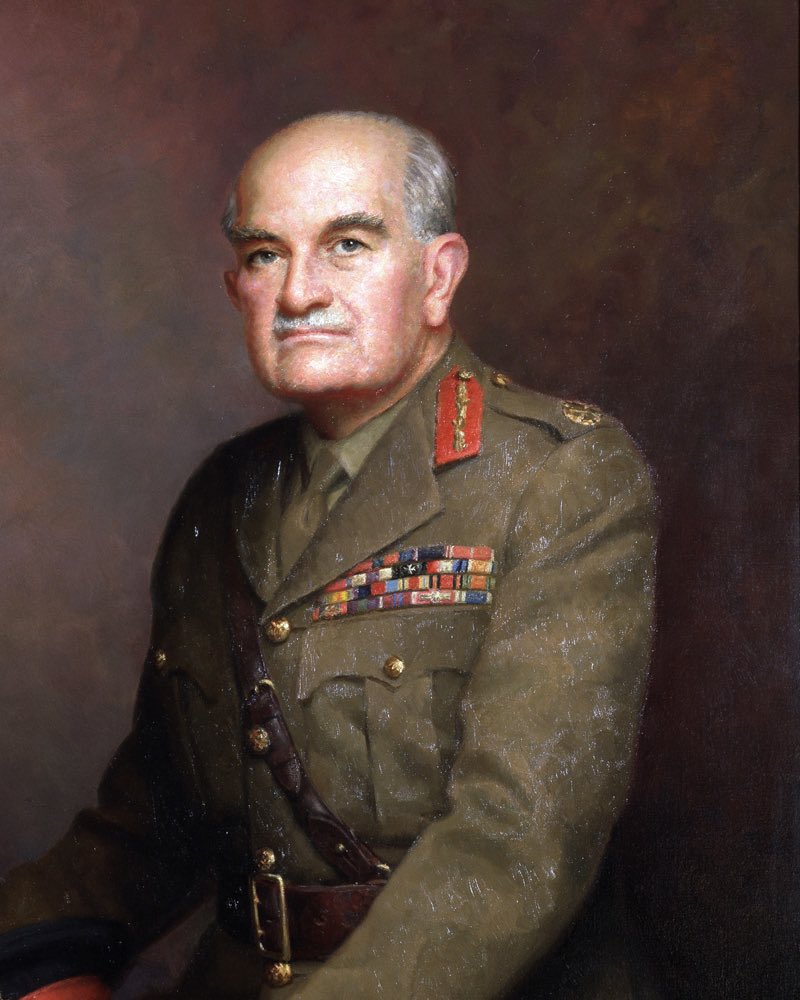
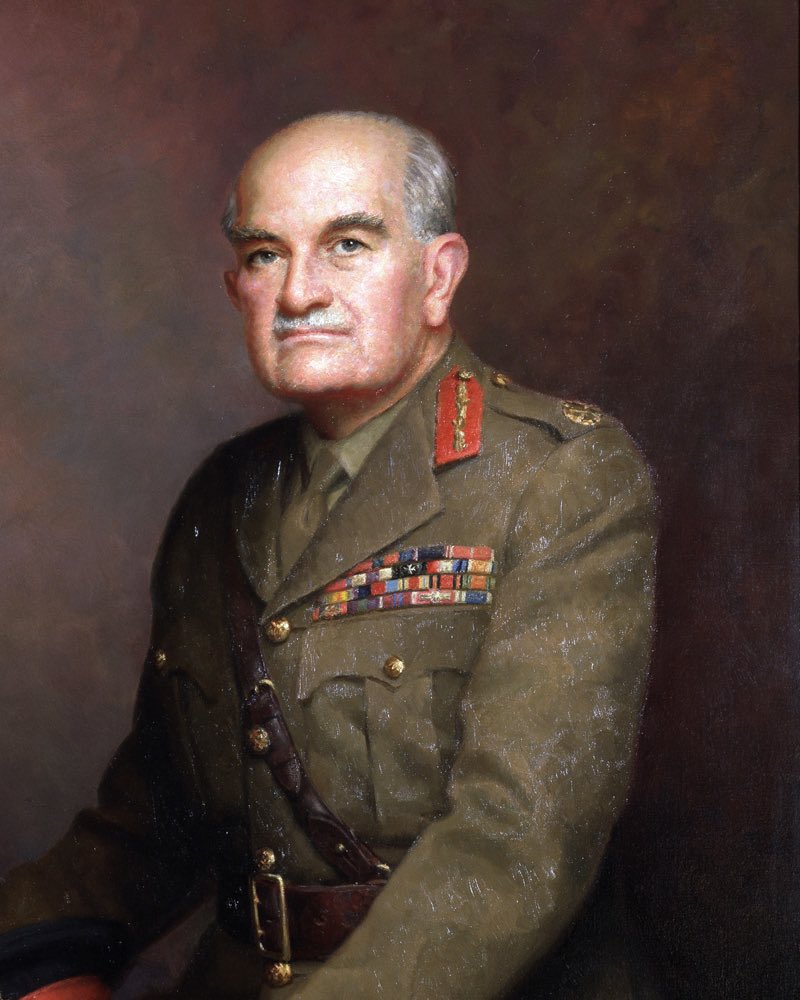
General William Slim

“Defeat is bitter. Bitter to the common soldier, but trebly bitter to his general. The soldier may comfort himself with the thought that, whatever the result, he has done his duty faithfully and steadfastly, but the commander has failed in his duty if he has not won victory—for that is his duty. He has no other comparable to it. He will go over in his mind the events of the campaign. “Here,” he will think, “I went wrong; here I took counsel of my fears when I should have been bold; there I should have waited to gather strength, not struck piecemeal; at such a moment I failed to grasp opportunity when it was presented to me.” He will remember the soldiers whom he sent into the attack that failed and who did not come back.

He will recall the look in the eyes of men who trusted him. “I have failed them,” he will say to himself, “and failed my country!” He will see himself for what he is – a defeated general. In a dark hour he will turn in upon himself and question the very foundations of his leadership and manhood. And then he must stop! For if he is ever to command in battle again, he must shake off these regrets, and stamp on them, as they claw at his will and his self-confidence. He must beat off these attacks he delivers against himself, and cast out the doubts born of failure. Forget them, and remember only the lessons to be learned from defeat—they are more than from victory.”

General William Slim

The Mindset Of A Capitalist

“Consequently, besides all the good things in life I want to give myself, I also want to increase my capital. How will I achieve this goal?

Armed with this capital I propose to exploit you, and I propose that you permit me to exploit you. You will work and I will collect and appropriate and sell for my own behalf the product of your labor, without giving you more than a portion which is absolutely necessary to keep you from dying of hunger today, so that at the end of tomorrow you will still work for me in the same conditions; and when you have been exhausted, I will throw you out, and replace you with others.

Know it well, I will pay you a salary as small, and impose on you a working day as long, working conditions as severe, as despotic, as harsh as possible; not from wickedness — not from a motive of hatred towards you, nor an intent to do you harm — but from the love of wealth and to get rich quick; because the less I pay you and the more you work, the more I will gain.” This is what is said implicitly by every capitalist, every industrialist, every business owner, every employer who demands the labor power of the workers they hire.”

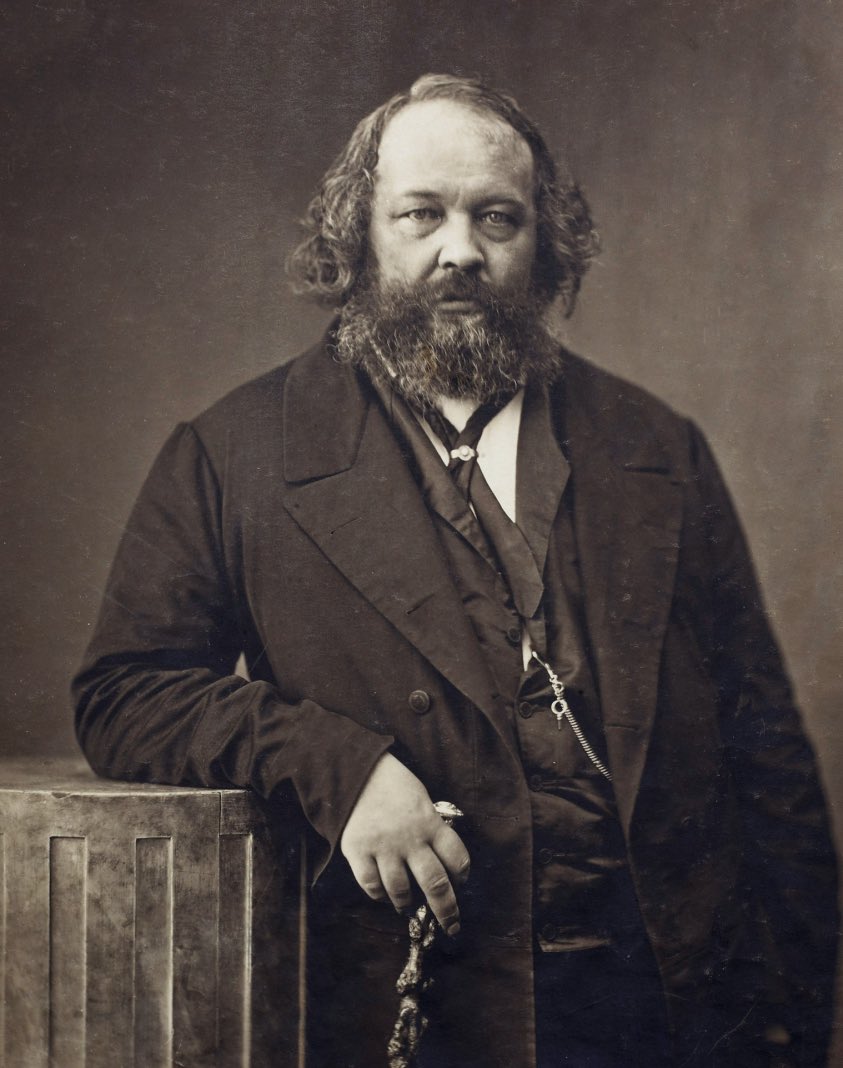
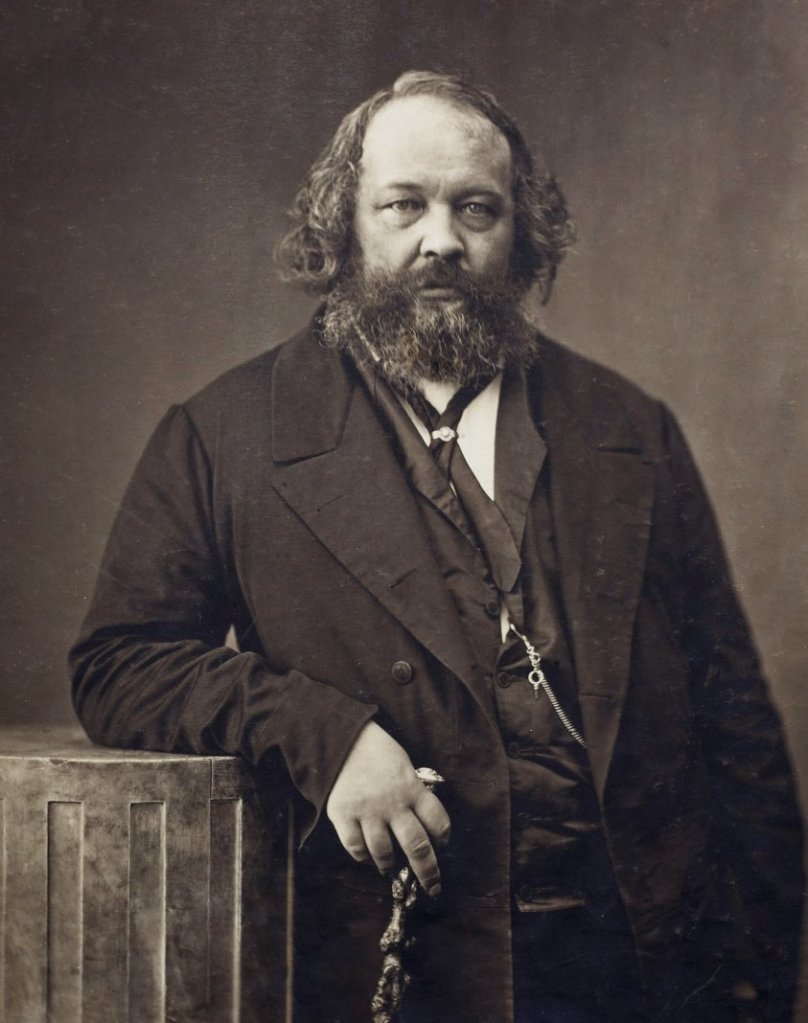
Mikhail Bakunin