Nobody Supports Me =/

When you start a new venture, you might be surprised at the lack of support you’re getting. It’s not uncommon to feel like friends and family are ignoring your business and skipping the like button on your social media posts. It can bring feelings of anger and disappointment. You may even find that strangers show more love than people you know.

Regardless of who supports or doesn’t, you can never expect people to be as enthusiastic about your dreams as you are. They’re your goals, not theirs. You shouldn’t need people to clap for you and pat you on the back. Expecting a parade of support leads to disappointment. It’s always hard in the beginning when you’re unknown and unproven.

Cherish everyone who supports you, but be prepared to walk alone. Over time, you’ll gain supporters, but you might also lose them. You can only count on yourself to see your vision through. When you hear that voice in your head starting to chant “nobody supports me,” just tell it to be quiet. You have all the tools required to make your dreams come true, and once the world sees you putting a serious effort towards your plans, it will extend its hand.

Romance At The Office

Let’s face the facts. At one point, we’ve all had a crush on someone at work. Whether it’s big butt Brenda or 6’4 Chad, who’s rumored to have a paid-off house and a 740 Credit Score. Chances are you’ve developed feelings or had a fling with someone in your professional life.

There’s a saying that one of my bosses once told me, “Daniel, you never stick your pen in company ink” — his way of saying you never flirt, date, or have sex with anyone who works at the same company. The reason for this? Office affairs rarely have a good ending. Work wives and work husbands are common. Most companies fill their offices with the best-looking and most charismatic people they can find. There’s a 99.9% chance that somewhere in the building where you work, you’ll find another person you’re attracted to.

That person might be working in your department or somewhere else in the building. You run into them at work or spot them from a distance, and they immediately catch your eye. Soon after, you start thinking about them, keeping all your thoughts to yourself, or maybe you share your new crush with a favorite coworker.

Eventually, you run into them by chance or force an encounter.

One thing leads to another, and you start developing a relationship with them. You might begin by meeting up for lunch, and from there, it progresses to dating or sex.

You might not notice it because you’re so engulfed with your new infatuation, but everyone in the office sees exactly what’s going on between you and your new “friend.” You both start taking your lunch at the same time, someone in the office catches you two hanging out outside of work, or any other deviation from your normal behavior that stands out to your co-workers.

Since work is mundane for most people, it’s thrilling for them to have something to gossip about and break the monotony. People start spreading rumors around the office that the two of you are having sex, since that’s the first assumption people make when they see a guy and a girl hanging out together. They dramatize the situation out of excitement or envy.

You can never be sure how people in the office are interpreting your relationship. Your best office buddy might be genuinely happy for you, but another co-worker who hasn’t been asked out on a date in years might see you happy and scorch with anger inside. Maybe your boss secretly had a crush on the person you’re with, and now their main goal is finding a way to get you fired because they’re jealous.

The workplace is a social environment that’s filled with gossip, so you would be naive to think you can keep your affair a secret. The minute there’s even a hint of something going on, the chatter will begin.

Everything might start off fine between you and your lover, but at some point, something will inevitably go wrong, and the affair will end. One person falls out of love. Someone had a spouse and kids they were hiding. One party was under the impression that the two of you were heading toward a relationship, while the other just wanted sex. What seemed so promising has now come to an end, and emotions are running high. Suddenly, the person you were happy to see every day becomes public enemy number one.

When relationships end, one person is usually left bitter. In a normal breakup, you stop seeing each other, or at worst, see each other much less frequently. Either way, you’re mostly free of them.

It’s different when you have an affair with someone at work. That person you’re no longer involved with works at the same place, and you have no choice but to see them every day. Since you’re hurt, you start avoiding them, and it becomes difficult to work together if you’re both in the same department. It becomes very awkward, very fast.

Make no mistake, while this is happening, everyone at work is enjoying the free entertainment. If you’re a guy, you may get props for nailing a hot chick, but due to the double standard in society, if you’re a female, you’ll be known as the girl who gets around the office. The higher-ups also now know both of you can’t be trusted with positions of power since you couldn’t control your sexual urges.

I’m sure there are plenty of success stories about people who met their spouse at work, but they’re few and far between. More often than not, it goes from a moment of excitement to hurt and embarrassment.

I’ve learned it’s best to look at your attractive coworkers the same way you would animals at the zoo. Only look, don’t touch. Enjoy their attributes, humor, and presence, but understand that at the end of the day, you’re there to get paid.

If there’s someone at work you have a crush on, you should wait until one of you isn’t working there before making a move. If you make your intentions known before that, you’re opening Pandora’s Box. If your advance is wanted, your fling probably won’t last long and will end in disaster. If your advance is unwanted, it could be seen as sexual harassment. Either way, nothing good is likely to come from it.

Do yourself a favor and leave the romance out of the office. The only affair you should be having is with the work you need to complete during business hours. Don’t stop by big boobie Susie’s desk when you’re supposed to be finishing up that report, and there’s no reason you should be hanging out with good looking Greg when you should be calling back that client to close the deal.

Stay focused and get back to work.

“Working with persons of the opposite sex may bring mutual distrust and dislike; there is no great peril in that. But working together may bring respect, mutual confidence, and comradeship. So far, so good. Such friendships may be holy and beautiful on a brother-sister basis. But a certain reserve and distance must be preserved at all costs, and will be by men and women of disciplined character. Friendship can become affection, affection love, love lust, and the progress be shock to both. That which was begun innocently may end disastrously.”

Quote from Richard S. Taylor’s book The Disciplined Life: The Mark of Christian Maturity.


Nut House

One night when I was a teenager, I got into a huge fight with my Aunt. My Dad overheard us arguing and jumped in. I said something smart before storming off to my room. A few seconds later, he charged in behind me, threw me onto my bed, and started wailing on me. I was defenseless and got my ass whooped. Looking back on it now, I deserved it for the way I was acting.

After my Dad got off me, I walked across the house toward the kitchen while my Aunt followed me, begging me to calm down. I yanked the silverware drawer open and started digging through it, thinking I would grab a knife and stab my Dad.

As I pulled the drawer out, the logical part of my brain kicked in, and I threw the drawer on the ground, leaving silverware all over the floor. I rushed to the bathroom and locked the door. I sat with my back against the wall while dramatic thoughts went through my head. I thought about running away, convinced no one loved me, and felt every angry teenage feeling.

As I pulled the drawer out, the logical part of my brain kicked in, and I threw the drawer on the ground, leaving silverware all over the floor. I rushed to the bathroom and locked the door. I sat with my back against the wall while dramatic thoughts went through my head. I thought about running away, convinced no one loved me, and felt every angry teenage feeling.

I stayed inside for what seemed like hours. Eventually, my family knocked on the door, asking when I’d come out. I refused to open the door, so they made me an offer. I could go stay with my mom for the night, or she would come take me to the hospital. I wasn’t sure what going to the hospital meant. All I knew was I didn’t want to stay home, and staying with my mom was barely an upgrade.

I agreed to have my Mom pick me up and take me to the hospital.

Once there, I was put in a room while my Mom met with the nursing staff. Eventually, I met with my Mom, who told me I’d be going to a mental institution to get evaluated. I wondered if I should’ve humbled myself and apologized to my family or agreed to stay with my Mom.

What did I get myself into?

My Mom told me that an ambulance was coming to pick me up. It was late at night, and I just wanted to sleep. The ambulance arrived, and they escorted me outside, where two young guys were waiting for me. They strapped me onto a stretcher and locked me in place so I couldn’t move.

While driving, I asked the guys if they were taking me to a hospital in the middle of nowhere, surrounded by tumbleweeds. They laughed and said the mental institution was nothing like the ones you see on TV and movies and assured me everything would be okay.

We arrived at the institution before the sun had risen. They released me from the stretcher and escorted me to the building. Once inside, another guy took over, and we said our goodbyes. The person in charge had me fill out some paperwork. I don’t remember what the forms said, except one that stated I wouldn’t be able to buy a firearm for a couple of years after turning 18.

After that, he took me to my room, and I went straight to sleep. I woke up to a doctor asking me to sit up so he could draw blood. When he finished, my roommate walked over and introduced himself. We were both around the same age and spoke about what landed us there. After our brief conversation, we left the room, and he gave me a tour of the place.

We hung out all morning and went to the cafeteria for breakfast. After eating, we went to a group counseling session with girls from a nearby building. We started by going around in a circle and introducing ourselves. The counselor led the session, and when it ended, we went back to our respective buildings.

At nighttime, the staff gave us little white cups with two pills in them and told us to take them after dinner. After eating, we took our pills and went to the lobby to watch TV. As time passed, everyone began to fall asleep. The pills they gave us were some sort of sleeping medication like Benadryl. Once I felt the medicine kicking in, I got up and knocked out.

I woke up the next day feeling surprised that I was actually enjoying myself. It wasn’t as bad as I thought it would be. The people were cool, and the adults working there were entertaining. One surprising thing, though, was the two little boys in our section who were only around four or five years old.

One of them was a young boy who had problems at home. He was well-behaved and had a quiet disposition.

The other kid was a boy named Raymond. Raymond stood out because he dressed like a gangster. If he didn’t get his way or someone angered him, he cussed everyone out and banged his head against the wall. I learned from the nurses that his parents got into an argument at home, and his mom pulled out a gun and killed his dad, right in front of Raymond. He was there temporarily while they figured out where to place him. Even though he always drove the staff crazy, he felt like my little brother.

My days passed at the institution, but I had no timetable for my release. For all I knew, it could be days or weeks before they let me go. I decided to make the best of a bad situation and stay out of trouble until it was time to leave. At times, it got boring because we followed the same routine every day. It was fun at first, but eventually I wanted to go home.

My roommate must have felt the same way because he devised an escape plan. I laughed at his idea and reminded him we were leaving soon anyway, so escaping would’ve been pointless. On top of that, even if we did escape, the staff would call the police, and helicopters would be all over the sky looking for us. We agreed to kill our escape fantasy and ride it out.

My roommate and I got along great, which made the stay easier. Turned out he went to the school right across the street from my house. Small world.

I didn’t end up staying too long and left in about a week.

“On my last day, I said bye to everyone and gave Raymond a hug. It hurt seeing a kid like him in such a dire situation. Imagine being a child and witnessing your mom murder your dad. That’s something that will traumatize him forever. It’s been over a decade since this happened, and I still wonder how he’s doing.

Before leaving, I went to the gym to play basketball with my friends. When we arrived at the courts, it was crowded with people I’d never seen before. As I walked around, a girl approached me and started making small talk. Out of nowhere, she asked how old I was and if I was a virgin. I told her my age and said I’d never had sex before. She told me she wanted to take my virginity. The comment caught me off guard, and I let her know I was about to leave but appreciated the offer.

She told me her Dad took her virginity and raped her when she was younger. It creeped me out, and I didn’t want to talk anymore.

I went back to my room, packed my bags, and thought about everything that had happened during my stay. Overall, it wasn’t the worst experience, but toward the end, I wanted to leave. The facility was starting to fill up with strange characters, and I didn’t feel comfortable staying there anymore. When the doctor signed my release papers and gave my family the okay to pick me up, I bounced.

When my parents arrived, they surprised me by bringing my Grandma. I was happy to see her and head back home. My trip to the Nut House was complete, and I was ready to get back to my regular life.

My Worst Three Jobs

Have you ever been lying in bed, dreading getting up and driving to a job you hate? I know I have, and today, I’m going to share my experience with three different jobs that had me feeling miserable.

Job #1 – Nightmare Catalogs

I was hired as a customer service representative for a catalog company. My job was to take orders and process refunds. My company sold everything from slippers to glow-in-the-dark snowflakes you could put on your windows at Christmas. The products we sold had stunning pictures in the catalog, but were made cheaply overseas. So customers were upset when they opened their packages and found products that looked nothing like what was advertised. The moment it arrived, they called our line and demanded a full refund.

Most of the customers were senior citizens, which meant most people I spoke with were hard of hearing. It was rare to make it through a call without having to repeat myself multiple times. The most common words I heard all day were “What?” “Say that again, please,” and “I didn’t hear you.” I grew up taking care of my grandparents, so I was used to speaking loudly, but with these customers, I constantly had to raise my voice. After working there for a while, I even started talking loudly outside of work.

I’d be having a conversation with a friend, and they’d say, “Daniel, why are you yelling?” I’d lower my voice and explain that I’d spoken loudly because the clients I worked with had hearing problems. Eventually, I had to remind myself to bring my voice down when I was off the clock.

Despite the communication barrier, working with elderly people could be entertaining. Most of our customers had a great sense of humor about the crappy products we sold. One customer called to ask why his glow-in-the-dark snowflakes didn’t glow. Another client proclaimed that the slippers he’d ordered were “made of plastic.” My supervisor showed me the slippers, and I lost it when I saw how poorly they were made. In the catalog, they looked like something you’d find in Nordstrom, but the actual product looked more like something you’d see at the 99 Cent Store.

After working for a catalog company, I’d never order from one. Why’d you even want to these days, since you can order pretty much anything from Amazon faster and cheaper? Catalog companies target older people because they’re more susceptible to attractive pictures and bold product claims. If your parents or grandparents decide to order from a catalog company, make sure you research the company before placing an order. When I eventually checked out the reviews for my company, they were all terrible – shocker. People could’ve saved their time and money by doing a quick Google search, and I could’ve saved myself a year-long headache.

Job #2 – Cable Company

Next on the list was working as an inbound sales representative for a major cable company. I sold cable, internet, and home phone services.


Before I started selling, I had to complete three weeks of group training. Our class covered the company’s services, and our instructors taught us how to use the software. The services were easy to understand, but the CRM was complex. Most of my class struggled to learn it. Thankfully, when it was time to take the final, we all passed and were transferred to the call center.

The trainers told us we’d be answering live calls under supervision for the next few weeks. If we showed competence, we’d be given a seat on the sales floor. Everyone was nervous and constantly needed help, but ultimately, we all made it. By then, I realized this job would be way more difficult than I had anticipated.

When I applied for the sales position, I knew selling internet service would be easy, but I hadn’t considered that the world was moving away from cable and home phone service. Most people started the conversation by saying, ‘Hi Daniel, I’m calling in today to get internet service only and no cable or home phone.’ I could sell customers internet service on its own, but I was graded on my ability to sell bundled packages rather than standalone services. Every call was monitored to ensure I pitched all three products to customers.

Selling cable and home phone service was tough. On top of that, the company didn’t make things easy on us with their clunky systems. I’ll give you a breakdown of all the challenges I faced on the job.

Challenge #1 – Selling Cable Service

When people started using streaming services like Netflix and Hulu, they realized they could watch their favorite shows on demand for less money. They didn’t need to have a technician drill holes in the wall and deal with an expensive cable bill. When I spoke to customers and they brought up the benefits of streaming, it was hard to rebut them because, deep down, I knew they were right. They were getting a superior product that was cheaper and more convenient.

My success in selling cable usually depended on the customer’s age. If I answered the phone and the client sounded young, they usually weren’t interested in cable. More likely than not, they were tech-savvy and knew all about streaming. On the contrary, if I spoke to an adult who’d been using cable their whole life, my chances of selling it increased. They were familiar with the service and not ready to try streaming… at least not yet.

Challenge #2 – Selling Home Phone Service

I felt like a clown when I spoke with customers and brought up home phone service. It was hard to sell a product I knew most people didn’t want. Before I could finish saying “Home Phone,” customers would interrupt me and tell me they weren’t interested. You’d think I’d insulted their mother, given the way they responded.

The only thing that helped me sell the home phone service was a promotion my company offered, which let customers bundle it with internet service and get a discount. The router had a port in the back where you could plug in a landline. Most people didn’t own a home phone but wanted the discount, so they took the deal. When clients requested home phone service, it was usually for their parents, not themselves.

Challenge #3 – Phone Que

When I started answering calls, I assumed I’d only be speaking with new customers, but boy, was I wrong. Most of the calls I took were from existing clients with complaints or tech issues. The worst part? Before transferring them, I had to dig through their account looking for services they didn’t have and pitch them.

This led to frequent arguments with clients who just wanted to be transferred and didn’t want to discuss adding home phone service when their cable box wasn’t working. It was awkward, and if I didn’t convince them to add additional service, it counted against me on the sales report.

Challenge #4 – The CRM

The company’s software was terrible. Even for straightforward orders, you had to navigate multiple screens and enter a ridiculous number of codes, like you were trying to solve a calculus equation. It was also riddled with bugs that forced you to restart your computer mid-call or left you guessing which codes to enter while customers waited impatiently on hold. One time, while I was setting up service for a customer, he told me, “I had no idea getting internet took this long.”

It was so broken it felt criminal that the company was making us use it.


Before taking this job, I was unaware that consumers hated cable companies, but after working for one, I understand why. The long wait times, misleading advertising, and frequent price hikes make service providers infuriating to deal with. As a result, every day was draining because most people I spoke with were mad.

I felt like a firefighter as customers brought up a barrage of complaints. Not to mention, I had to sell them services that were on the verge of becoming extinct.

There’s no way to beat around the bush. This job sucked.

Job #3 – Telemarketing

My worst job ever was working as an appointment setter for a home improvement company.

I ended up working as a telemarketer because I quit my job one day and needed to quickly find another gig. I saw an advertisement on Craigslist for a local sales position and called to set up an interview. When I went in to speak with the sales manager, we had a great conversation, and he hired me on the spot. I showed up on the first day and walked into the main room, where there were about 40-50 people. There was clearly no dress code, and the office was a mix of young and old people. The room was filled with rows of computers, and everyone was talking on the phone. My manager was assisting someone, so I had to wait a few minutes. Once he was done, he walked me to my desk at the back of the room.

I sat down, and my manager grabbed a co-worker to train me. My colleague came over and explained that my job was to book appointments for people interested in home improvements. He gave me a script and showed me how to use the computer’s dialing system. Everything seemed easy enough, and I confidently told my trainer I was ready to start making calls.

I began dialing, and as soon as someone answered, I started my introduction.

Me: Hi, this is…

Client: Click

Before I even said my name, the person hung up on me. The dialer quickly connected me to someone else, and my next call ended the same way. As soon as the person realized I was a telemarketer and not a family member or friend, they immediately ended the call. I spent the rest of the day trying to book appointments, but I had no success. I went home that day feeling beat up and brain dead from all the rejection.

I got to work early the next day and grabbed some coffee before returning to the battlefield. I studied a few of the top performers in the room and noticed they all had charisma on the phone. One guy sounded like an actual licensed contractor, and one girl was damn near yelling at people, demanding they book a free estimate. I don’t know how she did it, but she was booking appointments all day. I wasn’t about to take her yelling approach, but I knew I needed to adjust my pitch.

I started reading my script more passionately and researched home improvement outside of work, so I was more knowledgeable. I learned over time that as long as I kept my energy high throughout the day, I would speak to at least a few people interested in booking an appointment. I never knew when they’d show up, so I answered every call enthusiastically. Even the ones that came in towards the end of the day, when I was tired from answering hundreds of calls.

It wasn’t easy spending most of the day getting hung up on, but with cool co-workers, it was bearable. Our office was like a circus, filled with all sorts of characters. There was no background check or drug test at this company, and as long as you could talk, you were eligible for hire. We had musicians, actors, drug addicts, and even felons. People threw hands in the office, and others frequently got caught getting high in the bathroom.

You never knew what to expect when you came into work.

The most memorable part of this job was the manager, who was a guy we’ll call Fred. Fred was a bulky guy who wore black sunglasses and the same outfit every day. He was an odd but funny guy, and his sales meetings were unlike anything I’d experienced before. We’d meet in the center of the room, the normal lights would go off, and a disco light would come on. Then our supervisor beat a drum while everyone stomped their feet and banged their hands on the wall. After hearing the commotion, he’d come out of his office and make the type of entrance you’d expect from a Roman emperor or celebrity.

During the meeting, Fred reviewed the company’s recent sales. Whenever one of our estimates turned into a signed contract, he’d announce the salesperson’s name along with the value of the deal. We all kept our fingers crossed, hoping to hear our names and praying the number would be a big one. My largest sale was worth around $200,000. When Fred announced it, I felt like a king. The room erupted in applause as I walked to the center, struck the gong, and exchanged daps with my coworkers as they congratulated me.

We had a blast at these meetings, and they were the best part of our day.

Compensation-wise, we got paid close to minimum wage, but they were supposed to give us a “bonus” for the deals we helped close. If the customer’s project cost under $10,000, they gave us $10; if it was over $100,000, they gave us $100. It was a pretty pathetic commission plan, and collecting our bonus was challenging due to the lengthy sales process and a shady management team. You didn’t get paid until the project was complete, which could take months, and there was no way to track the status of your deal. You had to trust management to be honest about paying your commission, which, as my co-worker Oscar explained, was a bad idea.

He told me that one time, he went to management to check on one of his commissions. They told him that one of his clients backed out of the deal, and he wouldn’t get his bonus. He had a hunch they were lying, so he called his client to verify the story. It turned out they hadn’t canceled the deal and had recently finished construction at their house. After he found out, he made a big scene and got paid, but he never trusted them again.

I had my own struggles collecting commissions during my tenure, but eventually, I stopped fighting with management over it. Every time I discussed my bonus with my manager, he got angry and pointed out the times I hadn’t met my sales quota. Then he reminded me they could fire me, but since they liked me, they let it slide. I had to accept defeat and come to terms with the fact that I could only count on them for my hourly pay, not a penny more.

Once I became a top producer, he’d constantly promise me a promotion but never follow through. One day, I overheard him talking about his employees, calling us losers when he thought no one was listening. That was the moment I realized he didn’t care about any of us. It was just a boiler room designed to make him and his friends as much money as possible.

Here’s a story that shows how much they valued us.

One day, the company had us step away from the phones for a brief meeting. The management team told us they appreciated our hard work and wanted to throw a company picnic. The plan was to work a half-day on Friday and then go to a local park to play games and eat. It sounded great. We left the meeting pleasantly surprised and couldn’t wait.

On the day of the picnic, we clocked out early and headed to the park. We hung out, ate food, and had a good time. The following Friday, our supervisor was passing out paychecks, and I overheard people complaining that their checks were short. When I got mine, I was short a few hours, exactly the length of our picnic.

The whole room started demanding answers. Our supervisor came to the center of the room as things erupted around him. He looked nervous and explained that the company had clocked everyone out when we left for the picnic and stopped paying us for the day. The money they saved was used to pay for the event. They made it seem like they were throwing the picnic out of the goodness of their hearts. The reality was that we paid for it ourselves.

People in the room started yelling — ‘I have rent due,’ ‘I needed that money for my kids.’ One of my coworkers said that if he had known his check was getting cut short, he would’ve rather worked the whole day. I was about to speak up, but I looked around and saw so many people yelling that I realized my voice wouldn’t have made a difference. Our supervisor apologized and admitted he should’ve told us we wouldn’t be paid for clocking out early. People wanted their money, and some got hostile. Everybody left furious.

The next morning, Fred was at the office, which was odd because he usually came in the afternoon. He called a meeting and told us everyone would get paid for the missing hours. Our supervisor handed him a list of people who’d yelled at him the day before, and they were sent home and suspended. We got our money back, but nobody forgot what they did.

After that, I’d had enough and started looking for another job.

I had fun the first few months, but over time, it got old. Getting hung up on hundreds of times a day wears you down. It didn’t help that I was working in a gloomy office with outdated computers, dirty carpets, and old desks. I had great co-workers, but for every quality person they brought in, they hired three weirdos. One of the guys sitting near me had been convicted of touching a minor. It was apparent that this company targeted the dregs of society.

I knew that wasn’t me, and it was time to go.

It took a couple of months, but I finally found another job and quit. Years later, I heard from a coworker that the building we worked in had burned down. I can’t say I was surprised. By the end of my time there, I felt like I was walking into hell every morning.

Blood Money

It’s 5 AM, and my alarms going off. I pop out of bed and head to the kitchen, where I gobble down a granola bar and drink a glass of water. Now that I’m hydrated and have eaten, I can start driving to my appointment. It’s time for my first of two weekly plasma donations.

My friend put me onto this. He called me one day and told me about this place that pays you to donate blood. Apparently, this corporation uses your plasma to make medicine and pays you a small fee for your donation (he mentioned he makes $100-$200 a week donating). Since I was dead broke and jobless, I went to take my physical and get started. It seemed like a good side hustle until I got back on my feet.

The donation center’s 15 minutes away from my house. I hate to admit it, but I go early, hoping I don’t run into anyone I know. I also put on my prescription glasses, which I don’t usually wear, so nobody recognizes me. Being seen donating plasma does not exude success.

When I arrive at the facility, I go to a terminal and fill out a brief questionnaire. Every time I come to donate, I have to do this. The company wants to ensure I’m still healthy, don’t have any STDs, and am aware of the risks associated with donating plasma. I answer all the questions honestly, but it’s hard to imagine people admitting something that will prevent them from making their donation. They test your blood every time, so they’d find out anyway, but it’s kinda obvious how you need to answer to move to the next step.

After I finish my questions, I take a seat in the lobby and wait to be called. A few minutes pass, and a lady yells “Daniel” across the room. I walk up to the counter, where a nurse greets me and starts my pre-screening tests (there are two of them, and I have to pass both to donate).

The first thing the nurse does is check my protein levels. She pokes my finger with a device, squeezes the blood into a tube, and feeds it into a machine that analyzes it.

While she waits for my results, she takes my blood pressure. I always dread this test because it occasionally comes back high. If it’s not in an acceptable range, they make you wait 15 minutes and retake it. If it’s still high, they send you home and make you come back another day. It ends up being a huge waste of time, and you leave without the money you desperately need.

I try to stay calm while the nurse wraps the cuff around my arm. She tells me to relax and breathe in. Less than a minute later, the cuff releases, and she tells me to head to the back. I passed both tests. Thank God.

I stroll over to the donation floor, which is filled with rows of chairs. Before getting seated, I glance at everyone mid-donation. I see a bunch of minorities who look homeless or close to it. There’s a mix of young and old people in the room. To my surprise, almost as many women as men are donating. It’s a sad sight, but poverty doesn’t discriminate against genders.

A nurse asks what arm I’d like to use for my donation. I always choose my left arm because the vein on my right arm is too small to extract blood from. One time, they tried to use it, and the process took longer than usual, leaving a gigantic bruise on my arm. It was a nightmare experience, and I never used my right arm again.

The nurse applies disinfectant to my vein. While rubbing it in, she gives me a big smile and asks how I’m doing. I respond, “Fine,” even though I’m so broke that I’m donating my blood for some chump change. It’s ironic that the employees are over-the-top cheery when what’s happening is so dark.

After cleaning my vein, the nurse pulls the lid off a sterile needle and sticks me. Most of the time, my blood flows into the plasma machine right away. Every now and then, though, nothing comes out, and they have to wiggle the needle around until they find a solid vein. Some staff members never stick me in the right location, so I always request proven nurses when they’re available.

Once I’m up and running, the waiting game begins. I make a squeezing gesture with my hand to help my blood flow faster and speed up the process. If you disconnect early for any reason, you won’t receive your full pay. While I’m waiting for my donation to finish, I watch YouTube videos or listen to music. The process is painless and requires no effort on my end.

When the machine hits 100%, the final stage of donation begins. The device returns your red blood cells and keeps your plasma in a separate bag. This part makes you feel chilly, but it’s over quickly. The nurse removes the needle from your vein, wraps a bandage around your arm, and sends you on your way. Even though I know my donation will help save someone’s life, a piece of my dignity has been lost.

I just pimped myself out and gave this billion-dollar corporation a pint of my blood for a $40 gift card.

The donation also leaves a bruise on my vein. It kinda looks like I was using heroin. I used to be a drug addict, so I hate going around with this suspicious-looking mark on my arm. Especially since I always brag about being clean. Nobody’s ever questioned me about it, but it does make me self-conscious. Having a needle mark on your vein is never a good look.

The donation center can only use your plasma if you make two donations in a week, so I’ll need to return in a few days. They give you more money for your second donation, but in reality, they’re paying you pennies for your blood and selling it for a hefty profit.

When you’re a beggar, you can’t be a chooser, so for now I have to accept what they give me. I gotta get out of this position soon, though. I don’t want to be doing this forever. Some people here look like they’ve been doing this for years and will probably donate their Plasma until they die. This place reeks of poverty and exploitation. Once I’m back working…

I’m not ever trading my blood for money again.

Grandma’s Boy

Grandma Della (Left), Great Grandma Lucille (Right)

As a child, I wasn’t able to develop a relationship with my mother. We had nothing in common and could never get along. Our relationship was toxic throughout my childhood. Thankfully, the love she couldn’t give me, I found in my two grandmothers.

Grandma Della (Left), Great Grandmother Lucille (Right)

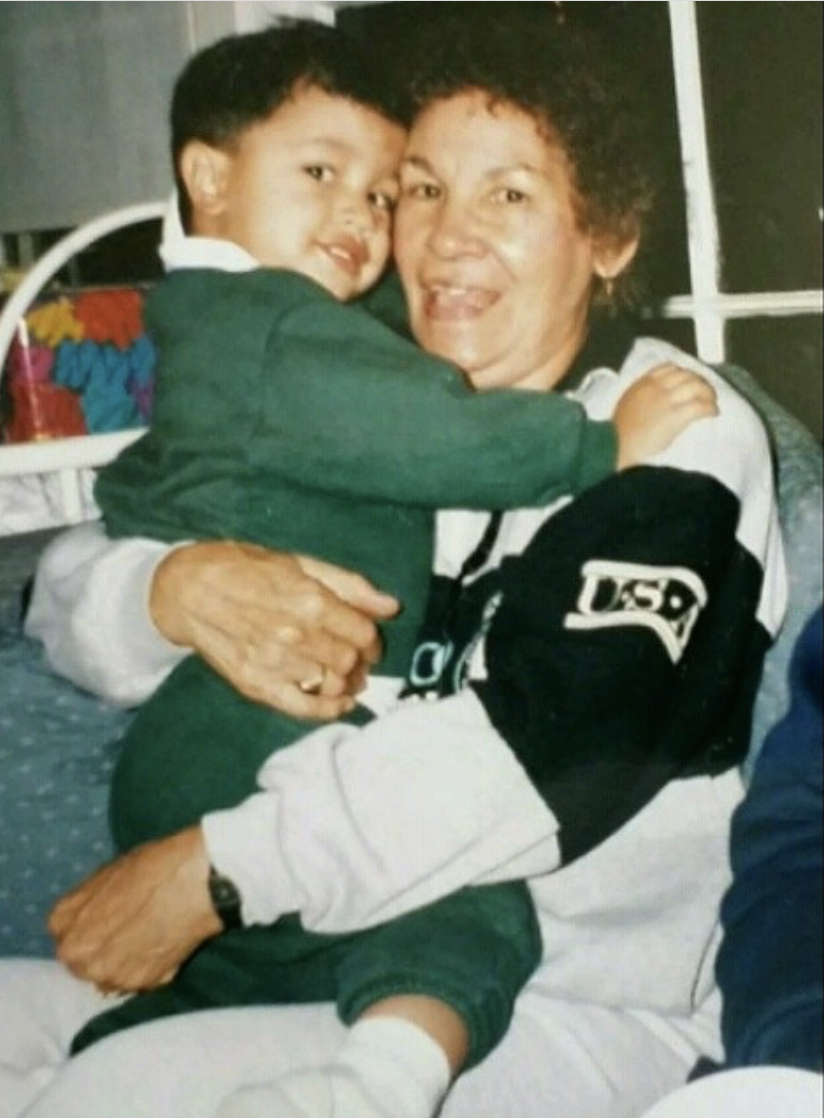
Growing up, I’d get dropped off at my grandma’s house when my parents needed a babysitter. I had two grandmothers there: my dad’s mother, “Della,” and her mother, “Lucille,” my great-grandma. There was no greater feeling than knowing I’d be spending the day with them.

Great Grandmother Lucille & Grandma Della

I always loved both of my grandmothers, but initially formed a stronger bond with my Grandma Della.

Me and My Grandma Della

When I was a kid, my Grandma Della was the joy of my life. I clung to her, and she gave me all the love I was missing at home. We spent time together watching TV, playing board games, and just enjoying each other’s company. It was well known in the family that I was her favorite grandchild. She never had a lot of money, but she always helped when she could. When they handed out book catalogs at school, she’d give me money so I could buy a book.

Grandma Della
Me and Grandma Della

My Grandma Della died of breast cancer when I was in Middle School. I witnessed her gradually lose her life. As her cancer developed, she became unhappy, lost weight, and began losing her hair. She went through chemotherapy, but it only helped so much, and like countless other women, she lost her life. I saw her in the hospital in her final days, bald with multiple tubes connected to her body. It was devastating to lose my Grandma, and I have no doubt that if she were alive now, she’d be my best friend.

Once she passed away, all the love and attention I gave her naturally shifted to my Great-Grandma. Even though I was closer to my Grandma Della, I still had a strong relationship with my Great-Grandma Lucille since they lived together.

My Great Grandma Lucille, aka “Mom”

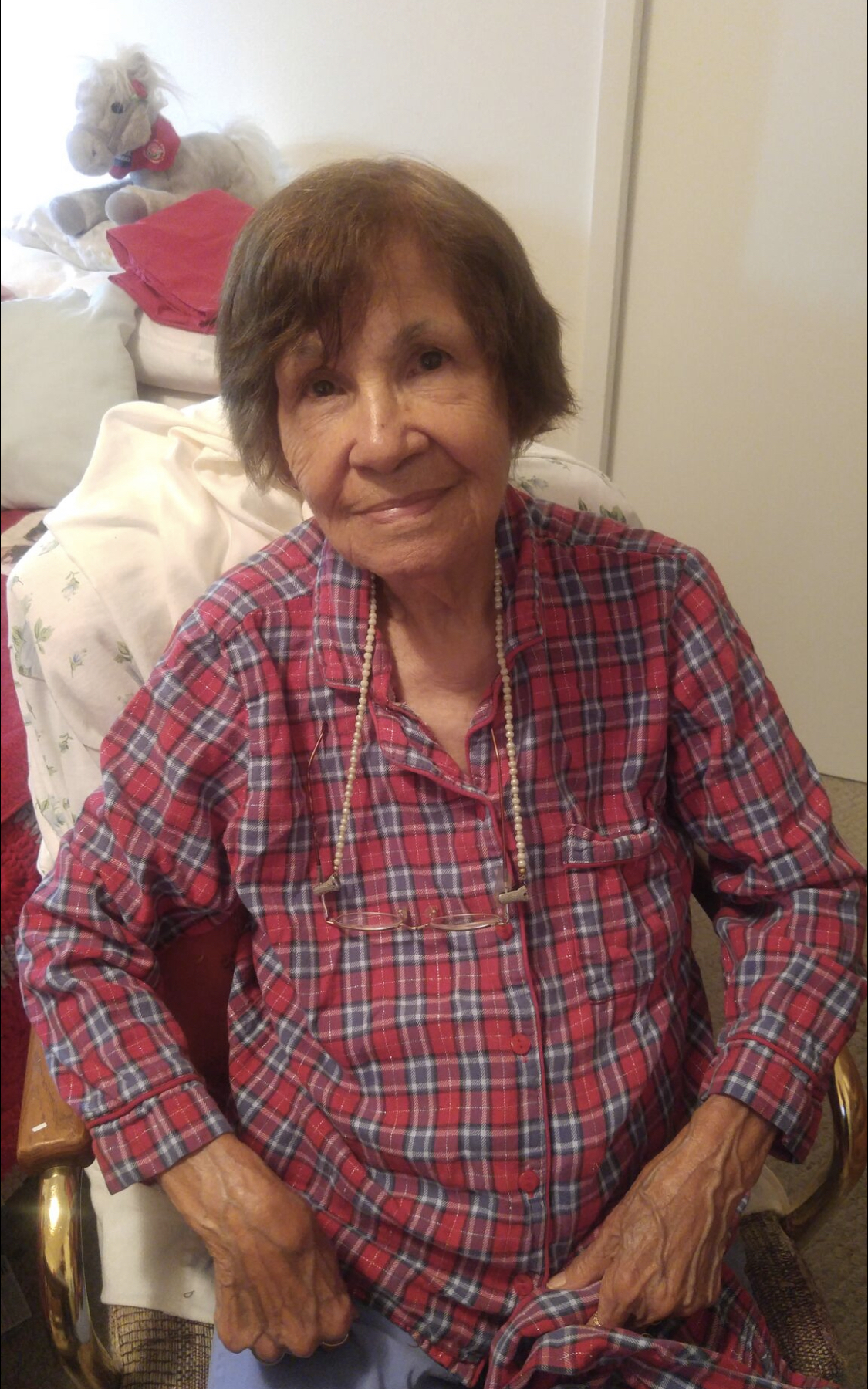
My Great-Grandma Lucille, aka Mom, was a blessing to our family. Her nickname was Mom because she helped raise everyone and treated kids that weren’t hers like they were her own. She grew up picking fruit in the fields and spent most of her adult life working in a factory. When she retired, she loved to relax and watch game shows like The Price Is Right and John Wayne westerns.

Me and Mom at her house

Mom was loving and caring, and helped everyone however she could. She was the rock of the family, and more than anything, she loved spending time with the people she cared about. I don’t remember ever hearing her complain about money or material things.

The funny thing about our relationship is that we never had deep conversations about my personal life. She just loved me, and I loved her. There are some people in life you like being around because they have positive energy and a calming presence, and Mom was exactly that type of person for me.

Mom in her 90’s

There were times I felt like everything was going wrong and I didn’t have any friends, but she’d always be there for me, her presence steady despite the chaos surrounding me. In life, the most common type of love is conditional (I’ll love you as long as you provide x or do y for me), but what I felt from her was unconditional. She loved me, even during times I knew I didn’t deserve to be loved.

On bad days, I’d always go to her room and find her in her chair watching TV or quietly reading a book. Sometimes I’d lie on her bed and watch a Lifetime movie with her, even though I couldn’t stand them, just to be around her.

You could always find my Grandma in her chair
Jay-Z’s best song, in my opinion

There was a time when I was a young adult and had to share a room with her. One night around 1 AM, I was lying there listening to Jay-Z’s song “Lost One.” In the third verse, Jay-Z talks about a loss in his family. For the first time, I really thought about what it would feel like to lose my grandmother. I listened to her breathing heavily in her sleep, and I started crying on the floor beside her. Until that moment, I hadn’t fully considered that she was in her 90s and that one day she’d die, and we’d be separated forever.

Tucking My Grandma in to go to bed

I developed a sense of urgency and made it a priority to check in with my Mom every day. When I got home from work, I’d go to her room and say hi, and before I went to sleep, I’d kiss her goodnight. Even if I was too exhausted to walk across the house, I’d call her and say goodnight over the phone.

I began to understand how much she meant to me. When I looked back on my life, it really sank in how much she’d done for me over the years. I have many family members who love and care about me, but she gave me the kind of motherly love that’s so important for a man to have.

Me and Mom

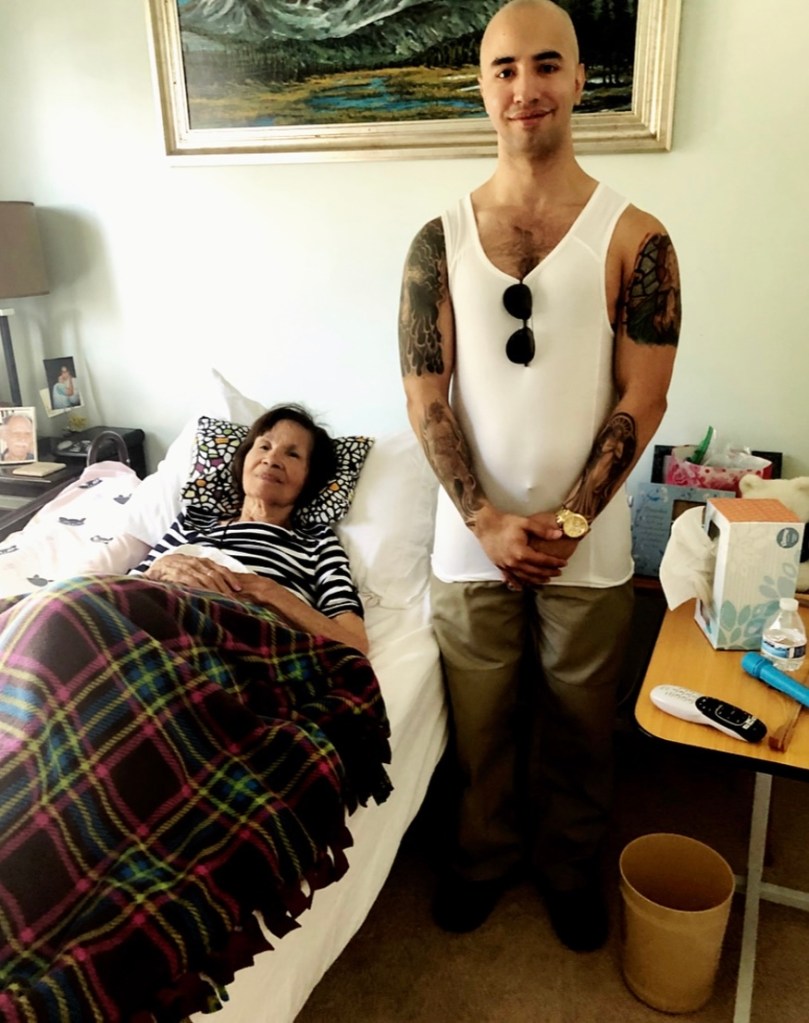
As Mom got older, she needed more care and attention. It got to the point where she needed help getting out of bed and going to the bathroom. I worried about her all day at work, afraid she’d fall and hurt herself or be defenseless if someone broke in. Eventually, her daughter stepped up to take care of her. It was bittersweet. She had lived with me my entire life, and now she was moving a few hours away.

Mom

I knew she needed full-time care and made peace with the decision. I felt comfortable knowing she had someone there 24/7 to assist her. My family and I agreed to visit as often as possible and call regularly to check on her.

Visiting Mom at her Daughters house

Mom recently turned 97 and is still doing well. Despite everything that went wrong in my life, I feel blessed to have enjoyed Mom’s presence this long and pray she’s with me even longer. I felt like giving up many times, but she inspired me to keep going.

2pac has a line in his song “Thugz Mansion” where he says

So much pressure in this life of mine, I cry at times
I once contemplated suicide, and woulda tried
But when I held that 9, all I could see was mama’s eyes

I understood exactly what he meant. There were times I felt hopeless, but knowing that Mom needed me kept me going. I’m forever grateful for my grandmothers and what they’ve done for me. Because of them, I know how important love is and how it can help someone get through life. Even though my Grandma Della passed away, I’ll always keep her in my heart, and I’ll continue loving Mom until her last day.

Me and Mom

Update

In March of 2020, I called my Grandma to let her know I was visiting soon, but her daughter answered the phone in tears. I asked her what was wrong, and she told me my Grandma wasn’t doing well. I told her to stay strong and that I’d be visiting that weekend. The conversation left me with a bad feeling, but I assumed my Grandma was just having a bad day and my aunt was being a little dramatic.

I went to work the next day. Shortly after arriving, I got a text from my family that my Grandma had been rushed to the hospital. I gathered my stuff and left. Once I got home, my family and I drove to my aunt’s house before heading to the hospital.

Once we got there, we hustled to the emergency room. It was a long walk, and every step felt like an eternity. When we walked in, the receptionist asked us questions about our health to make sure we weren’t sick. This was around the time the coronavirus was dominating the news, and hospitals were beginning to implement strict rules about who could visit.

I waited my turn and was unsure what to expect when I got to my Grandmother’s room.

Eventually, one of my family members came downstairs and told me it was my turn to go up. I walked nervously to my Grandma’s room. When I entered, she was heavily sedated and in a comatose state. Her arms were bruised, and she looked like she was in tremendous pain. Tears rolled down my face as I watched my Grandma dying in front of me. I walked over to her and told her I loved her and that she meant everything to me. She couldn’t respond, but it seemed like she could still hear me, because when I told her how much I loved her, she smiled.

I left her room and headed back to the lobby. When I got there, a nurse was meeting with my family. She told us they were moving forward with hospice care at my aunt’s house. As soon as I heard the word “hospice,” it hit me that my grandmother was going to die. I listened to the nurse talk to my family, but I couldn’t focus because I was so overwhelmed.

After meeting with the nurse, everyone decided to go home and meet at my aunt’s house the following day when they transported my Grandma out of the hospital. They asked if we wanted to see her again before we left, and most of us declined. My Grandma looked nothing like herself, and I didn’t want my final memory of her to be like that.

I did my best to relax for the rest of the evening. Close to 1 AM, I got a text from my aunt informing me that the doctors didn’t think my Grandma would make it through the night. My family and I headed to the hospital, but on the way there, I got another text saying my Grandma had passed away. As a courtesy, the hospital left her body in the room so we could see her one last time.

We got to the hospital and headed to her room. When we walked in, I saw my Grandma lying in bed with her head tilted upward, her mouth slightly open, motionless and dead. We sat in the room silently for a few moments before leaving. On the way out, I kissed my Grandma on the forehead and could feel the coldness of her lifeless body.

The first thing I noticed after my Grandma passed away was the overwhelming sense of regret that attacked my mind. I should’ve called more. I should’ve visited more. Even though I knew I was a good grandson, I kept thinking about all the missed opportunities to see her. As soon as someone dies, we immediately start focusing on where we fell short in the relationship, no matter how big or small those shortcomings were.

We were supposed to visit my Grandma a week before she passed away, but my family rescheduled for the following weekend, which ended up being too late. I always warned them that it was dangerous to postpone visits because we never knew when she might die. So when she passed, the first thing I wanted to do was yell, “I told you so! We could’ve had one more visit, but because we rescheduled, we lost our last chance to see her.”

I held my tongue because I knew my family had no way of knowing my Grandma was about to die. If they’d known she only had another week to live, they never would’ve canceled the visit. Still, it hurt knowing my Grandma was taken away from me just days before I was supposed to see her again.

Even though I’m sad she’s gone, I feel blessed she lived to be 97 years old. I can’t really complain when most people’s grandparents never make it anywhere near that age. I’m grateful we had her for that long, and I’m glad I told her how much she meant to me before she passed away. I don’t think there’s anything worse than losing someone you love while knowing deep down you never told them how you felt. Death is real and unpredictable, so it’s important to say what you need to say while you still have the chance.

For now, my angel and I have been separated. If I’m lucky enough to make it to heaven, we’ll reunite someday. Until then, I’ll cherish our memories and carry them with me forever. She was the best thing that ever happened to me, and I miss her dearly. There will never be another person I love as much as her. Even though she’s gone, I’ll always consider myself a Grandma’s boy.

Rest In Peace – Lucille Baragon Miller aka Mom

Childhood Clue’s

Looking back at my childhood, I was obviously meant to be an artist. So much of my time was spent writing and reading books. As I got older, I quit engaging in those activities, though. Adult life and responsibilities took over, and I became a rigid adult focused on surviving. I lost sight of who I was and became miserable as a result.

One day I decided to buy a notebook and start writing again. Before I went to sleep, I wrote about my day and how it went. It helped me learn more about myself and gave me a way to vent since I had nobody to talk to. This daily writing habit inspired me to create a blog and make music. None of this would’ve happened if I hadn’t returned to my childhood hobbies.

If you feel lost in life, the best thing to do is reflect on what made you happy growing up. Reconnecting with those passions can help guide you toward your purpose.

If you’re trying to figure out what you’re meant to do… your childhood contains all the clues🕵️‍♂️.

No Respect For Success via Wickedness

Excerpt from “The Prince” by Niccolò Machiavelli

Chapter VIII – Concerning those who have obtained a principality by Wickedness.

“Although a prince may rise from a private station in two ways, neither of which can be entirely attributed to fortune or genius, yet it is manifest to me that I must not be silent on them, although one could be more copiously treated when I discuss republics. These methods are when, either by some wicked or nefarious ways, one ascends to the prinicpality, or when by the favour of his fellow citizens a private person becomes the prince of his country. And speaking of the first method, it will be illustrated by two examples – one ancient, the other modern – and without entering further into the subject, I consider these two examples will suffice those who may be compelled to follow them.

Agathocles, The Sicilian

Agathocles, the Sicilian, became King of Syracuse not only from a private but from a low and abject position. This man, the son of a potter, through all the changes in his fortunes always led an infamous life. Nevertheless, he accompanied his infamies with so much ability of mind and body that, having devoted himself to the military profession, he rose through its ranks to be Praetor of Syracuse. Being established in that position, and having deliberately resolved to make himself prince and to seize by violence, without obligation to others, that which had been conceded to him by assent, he came to an understanding for this purpose with Amilcar, the Carthaginian, who, with his army, was fighting in Sicily.

One morning he assembled the people and the senate of Syracuse, as if he had to discuss with them things relating to the Republic, and at a given signal the soldiers killed all the senators and the richest of the people; these dead, he seized and held the princedom of that city without any civil commotion. And although he was twice routed by the Carthaginians, and ultimately besieged, yet not only was he able to defend his city, but leaving part of his men for its defence, with the others he attacked Africa, and in a short time raised the siege of Syracuse. The Carthaginians, reduced to extreme necessity, were compelled to come to terms with Agathocles, and, leaving Sicily to him, had to be content with the possession of Africa.

Therefore, he who considers the actions and the genius of this man will see nothing, or little, which can be attributed to fortune, inasmuch as he attained pre-eminence, as is shown above, not by the favour of any one, but step by step in the military profession, which steps were gained with a thousand troubles and perils, and were afterwards boldly held by him with many hazardous dangers. Yet it cannot be called talent to slay fellow-citizens, to deceive friends, to be without faith, without mercy, without religion; such methods may gain empire, but not glory.

Still, if the courage of Agathocles in entering into and extricating himself from dangers be considered, together with his greatness of mind in enduring and overcoming hardships, it cannot be seen why he should be esteemed less than the most notable captain. Nevertheless, his barbarous cruelty and inhumanity with infinite wickedness do not permit him to be celebrated among the most excellent men. What he achieved cannot be attributed either to fortune or genius.

Oliverotto da Fermo

In our times, during the rule of Alexander the Sixth, Oliverotto da Fermo, having been left an orphan many years before, was brought up by his maternal uncle, Giovanni Fogliani, and in the early days of his youth sent to fight under Pagolo Vitelli, that, being trained under his discipline, he might attain some high position in the military profession. After Pagolo died, he fought under his brother Vitellozzo, and in a very short time, being endowed with wit and a vigorous body and mind, he became the first man in his profession. But it appearing a paltry thing to serve under others, he resolved, with the aid of some citizens of Fermo, to whom the slavery of their country was dearer than its liberty, and with the help of the Vitelleschi, to seize Fermo.

So he wrote to Giovanni Fogliani that, having been away from home for many years, he wished to visit him and his city, and in some measure to look upon his patrimony; and although he had not laboured to acquire anything except honour, yet, in order that the citizens should see he had not spent his time in vain, he desired to come honourably, so would be accompanied by one hundred horsemen, his friends and retainers; and he entreated Giovanni to arrange that he should be received honourably by the Fermians, all of which would be not only to his honour, but also to that of Giovanni himself, who had brought him up.

Giovanni, therefore, did not fail in any attentions due to his nephew, and he caused him to be honourably received by the Fermians, and he lodged him in his own house, where, having passed some days, and having arranged what was necessary for his wicked designs, Oliverotto gave a solemn banquet to which he invited Giovanni Fogliani and the chiefs of Fermo. When the viands and all the other entertainments that are usual in such banquets were finished, Oliverotto artfully began certain grave discourses, speaking of the greatness of Pope Alexander and his son Cesare, and of their enterprises, to which discourse Giovanni and others answered; but he rose at once, saying that such matters ought to be discussed in a more private place, and he betook himself to a chamber, whither Giovanni and the rest of the citizens went in after him.

No sooner were they seated than soldiers issued from secret places and slaughtered Giovanni and the rest. After these murders Oliverotto, mounted on horseback, rode up and down the town and besieged the chief magistrate in the palace, so that in fear the people were forced to obey him, and to form a government, of which he made himself the prince. He killed all the malcontents who were able to injure him, and strengthened himself with new civil and military ordinances, in such a way that, in the year during which he held the principality, not only was he secure in the city of Fermo, but he had become formidable to all his neighbours. And his destruction would have been as difficult as that of Agathocles if he had not allowed himself to be overreached by Cesare Borgia, who took him with the Orsini and Vitelli at Sinigalia, as was stated above.

Thus one year after he had committed this parricide, he was strangled, together with Vitellozzo, whom he had made his leader in valour and wickedness.


Some may wonder how it can happen that Agathocles, and his like, after infinite treacheries and cruelties, should live for long secure in his country, and defend himself from external enemies, and never be conspired against by his own citizens; seeing that many others, by means of cruelty, have never been able even in peaceful times to hold the state, still less in the doubtful times of war. I believe that this follows from severities being badly or properly used. Those may be called properly used, if of evil it is possible to speak well, that are applied at one blow and are necessary to one’s security, and that are not persisted in afterwards unless they can be turned to the advantage of the subjects.

The badly employed are those which, notwithstanding they may be few in the commencement, multiply with time rather than decrease. Those who practise the first system are able, by aid of God or man, to mitigate in some degree their rule, as Agathocles did. It is impossible for those who follow the other to maintain themselves.

Hence it is to be remarked that, in seizing a state, the usurper ought to examine closely into all those injuries which it is necessary for him to inflict, and to do them all at one stroke so as not to have to repeat them daily; and thus by not unsettling men he will be able to reassure them, and win them to himself by benefits. He who does otherwise, either from timidity or evil advice, is always compelled to keep the knife in his hand; neither can he rely on his subjects, nor can they attach themselves to him, owing to their continued and repeated wrongs. For injuries ought to be done all at one time, so that, being tasted less, they offend less; benefits ought to be given little by little, so that the flavour of them may last longer.

And above all things, a prince ought to live amongst his people in such a way that no unexpected circumstances, whether of good or evil, shall make him change; because if the necessity for this comes in troubled times, you are too late for harsh measures; and mild ones will not help you, for they will be considered as forced from you, and no one will be under any obligation to you for them.”

Anthony “Gaspipe” Casso gets revenge on Jimmy Hydell

Excerpt from Gaspipe: Confessions of a Mafia Boss by Philip Carlo

On September 14, 1986, the now forty-four-year-old Anthony Casso very nearly lost his life.

A hit team led by a Brooklyn killer named James Hydell was given a contract to murder Anthony Casso. Hydell knew this was a particularly dangerous business, and there would only be one shot at killing him. Hydell also knew the contract was coming from the Gambino crime family. Hydell, a psychopathic Mafia wannabe, was chosen for this job because he didn’t have the good sense not to try to kill Gaspipe and he was just ballsy enough to pull it off. He was given the contract by Gambino capo Angelo “Quack Quack” Ruggiero. Ruggiero would later say that he did this without John Gotti’s blessing, that Gaspipe was taking a larger piece of the heroin pie the Gambino and Lucchese families shared, and that he felt Casso was an imminent threat to the well-being of the Gambino family. Ruggiero’s days were numbered.

September 14 was a quiet, lazy Sunday, a balmy day. Anthony had dinner at home with his family—his wife, Lillian; his son, Anthony Junior, age thirteen; and his daughter, Jolene, age sixteen.

James Hydell had been trying to murder Gaspipe for several weeks now. He knew if he didn’t pull it off soon, Gaspipe might very well learn of the contract and strike first. Casso had numerous plants and contacts in all of the families, and the FBI and NYPD as well; time was definitely on his side. Hydell knew he was playing a deadly game here and he was intent upon winning it. This murder, he was sure, would immediately raise his stature in the underworld and would ensure that his earning capacity would increase exponentially. He would be respected; he would be rich; he could walk with his head higher. People would point at him and stare in awe.

Hydell had tried, without luck, to find out where Gaspipe lived. He had, however, learned on Friday, September 12, that Casso would be meeting Fat Vinny, a Gambino thief who had access to stolen bearer bonds he regularly sold to Casso, at the Golden Ox on Sunday, the fourteenth.

The Golden Ox was a restaurant at East Seventy-second Street and Veterans Avenue, a mile as the crow flies from Casso’s home at East Seventy-second Street.

Casso, himself a consummate professional assassin, knew intimately the rhythm of murder—efficiently taking a human life when and where and how the job called for. As a matter of course, he constantly checked the rearview mirror, people’s body English and their eyes, and made sure he knew all that was going on around him. All this he did automatically, unconsciously…

When Anthony got up to leave ten minutes before eight that balmy Sunday evening, Lillian asked him to pick up some Carvel ice cream. He said he would and left, having no idea that four tense men with very bad intentions, guns cocked and ready, were waiting to kill him.

Casso slowly approached the Golden Ox Restaurant. It was in a small triangular shopping center. He passed it and made sure all was clear, his dark eyes automatically reading and analyzing what he saw. He made a U-turn a block away, just in front of Hydell’s car at Seventy-first Street. Hydell knew Casso was driving a tan Lincoln Town Car; he now saw Casso, and he and his cohorts quickly ducked down in time and Casso did not make them. Hydell had a pump shotgun clutched in his hands loaded with double-ought buckshot; it was a weapon that could blow a cantaloupe-sized hole in a man and readily tear off an arm or a leg. Casso made his way west along Veterans Avenue. He eased the Town Car into a bus stop, parked, and turned off the engine. This was an unusually wide two-way street and was virtually abandoned on this mid-September night. Stars glimmered in a cloudless black velvet sky. The weather was balmy and pleasant.

Now Casso made the dark-windowed car slowly creeping up alongside his car, the ominous barrel of a pump-action shotgun suddenly and insidiously protruding from the open window. Before he could reach for his gun under the seat, the car pulled up alongside and a thunderous fusillade tore into Casso’s car.

Luck was with Casso: by his leaning back, the wide window post protected his head. Bullets and buckshot ripped through the doors, shattered windows. Gaspipe was hit. He got low and rolled catlike to the passenger side and opened the door. The driver had come too close to Gaspipe’s car and the shooters could not open the doors. They were boxed in—an error in judgment that no doubt saved Casso’s life. Casso got out of the car and, staying low, swiftly running in a zigzag pattern, took off like a bat out of hell. The shooter’s car moved several feet. Hydell and Nicky Guido jumped from the car, firing recklessly at Gaspipe. He was hit several times more but continued to run with amazing speed.

He ran through the parking lot and ducked into the Golden Ox Restaurant. Bullets and buckshot shattered the glass of the front door. Like a madman, covered in blood, Casso tore through the restaurant, scaring to no end the wide-eyed patrons. He pulled a tablecloth from a table and used it to slow the bleeding. The restaurant had a rear entrance that opened onto Avenue U. Just near this rear door, Casso ducked into a flight of steep stairs that led to the basement. Having no idea of how seriously he was shot, Casso hid in the restaurant’s freezer. He knew the cops would soon be there and wanted nothing to do with them. At this point he had no idea who had tried to kill him but if he lived, if he made it through this, he’d find them and make them pay dearly—profoundly.

Tough as rusted barbed wire, Gaspipe stoically sat on a barrel, seething, waiting for the hurly-burly above him to die down. The cold inhibited the bleeding somewhat, but he could feel himself growing weaker; rage and anger and adrenaline—pure hatred—kept him awake and alert.

Who? he wondered. Who would order this? His mind played over the possibilities—John Gotti, Gigante, someone in his own family—who? His mind reeled with questions.

When Casso was sure the police had gone—they had assumed he’d gone out the back door—he hurried from the freezer and made his way to Avenue U. He walked one block, found a pay phone, and called Vic Amuso, the head of the family, who hurried right over.

“Jesus H. Christ, what happened?” Vic asked, shocked at Casso’s condition. He quickly drove him to Kings Hospital.

At the hospital, Casso explained that he’d been shot in a robbery attempt, still not knowing he’d actually been hit six times. The wounds were cleaned and dressed. Casso refused to let the doctors x-ray him or remove the slugs. He didn’t want the slugs to be able to be used as evidence. Casso spent the night there. In the morning he left and went back home, the bullets still lodged in him, to his wife and children. Lillian had been worried sick and was appalled by his wounds, but as always she was helpful and supportive—she did not recriminate or condemn him. She was his helpmate and support no matter what, through thick and thin, till death do them part. The following day, Casso went to his own doctor, who arranged for a surgeon friend of his to come to the office and remove the six slugs.

Now it was Casso’s turn to become the hunter, and everyone in LCN knew it—knew that Gaspipe had been shot numerous times, knew that he had survived, knew that heads would roll…literally. Casso immediately put the word out that he wanted to know who was behind the assassination attempt. The drums of the Mafia jungle resonated with that question.

More than anyone else in organized crime, Casso had law enforcement contacts, stoolies, plants everywhere. He reached out to them.

Greg Scarpa, the fierce, two-fisted war captain on the Persico side of the Colombo crime family (Vic Orena headed the Orena faction), was six feet, two inches and broad-shouldered and had a fierce countenance, dark eyes, and thinning black hair. Little if anything scared this man. He had, from the early 1960s on, unbeknownst to LCN, secretly worked with the FBI when it was convenient. He was a registered FBI informant, though he was very careful about what he told his “handlers.”

More important, Scarpa had up-to-date information from various FBI agents.

As mentioned earlier, Casso and Scarpa were close. It was Scarpa who first told Casso that a Brooklyn tough named James Hydell was responsible for the attempt on Gaspipe’s life. Casso knew Hydell in passing and didn’t like anything about him; he knew, for instance, that Hydell had abducted a young woman, a neighborhood girl, from a bus stop near the 19th Hole when she was on her way to work, raped her, and shot her to death.

Hydell hung out, Casso also knew, at a candy store on Eighty-sixth Street, Josie’s, a stone’s throw away from the 19th Hole.

Why, Casso wondered, would someone with his head on his shoulders give an important contract like his killing to a lowly tough like James Hydell?

It made little sense. The only reason, he decided, was because Hydell was to be killed after he, Casso, was dead, thus ending any connection to the people who ordered the hit. It was them, their identity Casso was after. Hydell, Casso knew, was a mere cog in the wheel that had tried to crush him. He would, he vowed, find out who was behind the hit. Rather than just murder Hydell, Casso planned to abduct him and get him to a safe house, where he could properly exact revenge and, more important, find out who was really behind the contract.

Gaspipe first turned to FBI agent Doug McCane, who had been on the Lucchese payroll for ten years. He met McCane at an out-of-the-way diner in Flatbush and told him what he knew. Agent McCane promised to get back to Casso soon, knowing how important this was, because both he and Casso knew Hydell would more than likely make a second attempt on Casso’s life.

For Hydell, the clock was ticking; it was just a matter of time.

Gaspipe soon found out that James Hydell lived with his mother on Staten Island, that he was always heavily armed, and that he had an uncle, Donny Marino, who was connected to the Gambino family. Hmm…

Gaspipe now turned to one of his secret weapons, the two crooked NYPD detectives he had on his payroll, Louis Eppolito and Stephen Caracappa. Casso ordered James Hydell to be picked up and brought to him. “Make sure he’s alive,” he said through clenched teeth.

Stone-faced and deadly serious, playing both sides of the fence, thinking they were invincible, above the law, Detectives Louis Eppolito and Stephen Carracapa were cruising Brooklyn and Staten Island streets looking for James Hydell. They had staked out his hangouts, his mother’s home. At one point Hydell’s mother actually walked up to them and questioned the two detectives. They were so obvious, bold…and outright arrogant.

Eppolito was a large, heavyset man. He had a huge round head, three double chins, and large, bulbous fish eyes. In his younger days he had been a muscular weight lifter; now he was an aging, overweight NYPD detective. He had written a book, Mafia Cop, and told how he had relatives who were La Cosa Nostra. Stephen Caracappa, tall and thin, was attached to the organized crime unit. He had a gaunt face, a long, straight nose, and dark circles under his eyes. Both of them had a sour sneer about their faces.

The two cops finally located Hydell in a Brooklyn Laundromat, washing his clothes. They showed their badges and placed him under arrest. He went along with them quietly, having no idea of the living hell that awaited him. He was cuffed and placed in the back of the unmarked police car…business as usual.

“What’s this about?” Hydell asked. “You’ll find out,” Eppolito menacingly assured him.

The two crooked detectives drove to a desolate Brooklyn garage. There they demanded Hydell get out of the car. Now Hydell knew that something wasn’t right, that he was in serious trouble. His worries were compounded a hundredfold when he was roughly placed in the trunk of the car. “Keep quiet!” Caracappa threatened him in little more than a whispered growl. On the evening of October 18, 1986, the two NYPD detectives pulled into the parking lot of Toys “R” Us in Mill Basin. Casso was sitting in a car there waiting for him, anxious to get his hands on Hydell. While this was about revenge in a big way, this was also about learning all there was to know about who exactly ordered the hit. Hydell, he knew, was a mere triggerman. Casso still was not sure just who had tried to kill him, if it was Gotti, Gigante, someone in his own family…perhaps a relative of one of the many he had personally killed or had put to death, but he would find out, of this he was certain. Gaspipe took the car Hydell was in and drove it to the safe house in Mill Basin.

The quiet streets of Mill Basin were lined with trees filled with bright yellow leaves. As strong winds blew, the leaves took flight. In the garage of the safe house, Gaspipe opened the trunk, his face set in a pockmarked granite mask. Anger turned him red. Adrenaline shot through his system. When Hydell saw Casso sneering at him, reaching for him, his worst nightmare was realized; he was looking at the devil himself, he knew. Casso effortlessly pulled Hydell from the trunk by his thick, long hair, beat him with fists, then dragged him to a finished basement where he had laid out a plastic tarp.

“Who,” Gaspipe demanded, “put you up to it?” Hydell immediately spilled the beans, saying that a capo in the Gambino family, Angelo Quack Quack Ruggiero, had given Michael Paradiso and him the contract. Ruggiero was nicknamed Quack Quack because he had an amazing way of ducking indictments. Hydell also said that Nicky Guido and Robert Bering—a retired cop—were in the car. Bering was driving. There was a fourth man, Sammy Russo, driving a second car that would assist in the getaway.

This confirmed what Casso had suspected all along—that John Gotti was behind the attempt on his life. As Hydell moaned, Gaspipe paced back and forth, thinking this out, looking at it from different perspectives. Contrary to what was commonly believed about Casso—that he was a ruthless psychopath, an out-of-control killing machine—he was in fact a judicious, particularly cunning, pensive man…a wily mafioso who kept his cards close to his thickly muscled chest. He would not run into this headfirst; he would be careful. He decided to send for John Gotti and his new underboss, Sammy the Bull Gravano, to hear what they had to say after they heard Hydell, who didn’t quite look human anymore. Hydell was so beaten and battered, his eyes were swollen shut and he had few teeth left in his mouth…a pitiful sight. Casso would later explain that he even felt sorry for him.

Casso next dispatched Vic D’Arco, a trusted Lucchese soldier, to invite Gotti and Gravano to come hear what Hydell was laying down. Gotti, not surprisingly, flat-out refused to come see Gaspipe and listen to Hydell. However, he was not about to ignore Casso because he knew that could spark a full-scale war among the Gambino, Lucchese, and Genovese families. Gotti was sure he’d win a war with any one family, but not with two families at one time. Instead, he sent two of his most trusted, loyal captains, Joseph “Joe Butch” Corrao and “Good Looking” Jack Giordano. By now nearly forty-eight hours had gone by. Hydell’s head had ballooned to obscene proportions. His face was a mass of black and blues, and the whites of his eyes were filled with crimson blood. Even Corrao and Giordano, two seasoned street guys, genuinely tough men, groaned at the shocking sight of Hydell when they saw him.

“Tell them what you told me,” Casso ordered, still seething with anger, and Hydell dutifully told the two Gambino capos the story he’d told Casso. Wary, on guard, they listened. When Hydell finished, Gaspipe pulled a 9mm Beretta from his waistband and shot Hydell fifteen more times, finally killing him. Both Corrao and Giordano assured Casso that Gotti would immediately learn about this, that John had nothing to do with any of it, and that they’d make certain Ruggiero was dealt with properly—severely. “I want his head,” Gaspipe said in a calm, chilled voice. “It’s yours,” Giardano said. They left.

Gaspipe turned Hydell’s body over to Anthony and Joey Senter. They cut him up and left pieces of him in a Brooklyn landfill. Thus, the stage was set for an epic underworld drama of Shakespearean proportions, the likes of which the world had never seen.

Burn Your Ships

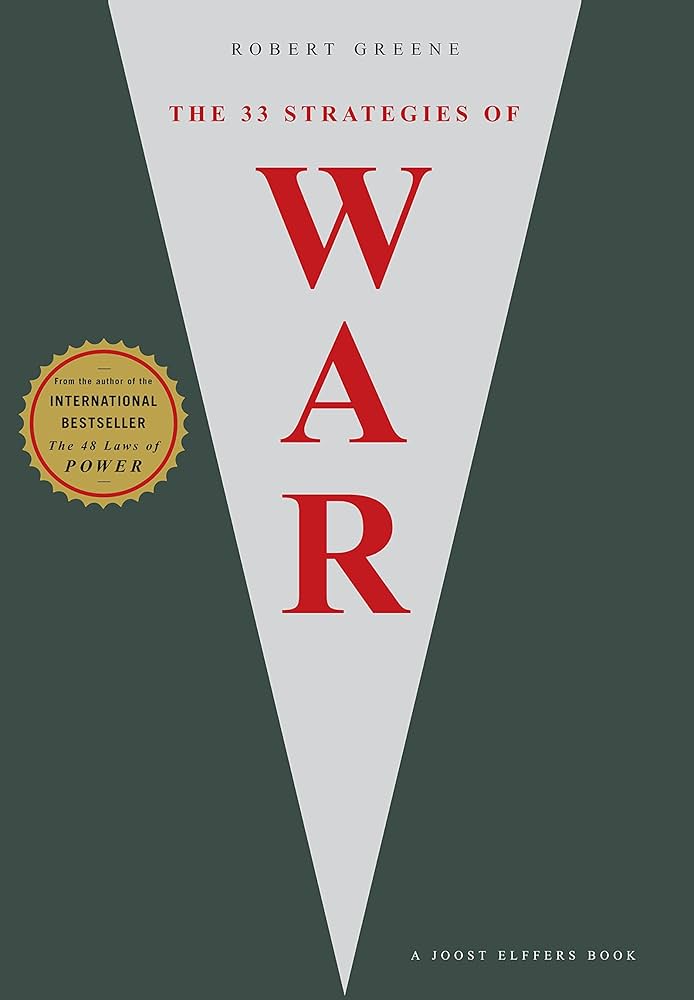
Excerpt from “The 33 Strategies Of War” by Robert Greene

Chapter 4

Create a sense of urgency and desperation – The Death-Ground Strategy

You are your own worst enemy. You waste precious time dreaming of the future instead of engaging in the present. Since nothing seems urgent to you, you are only half involved in what you do. The only way to change is through action and outside pressure. Put yourself in situations where you have too much at stake to waste time or resources—if you cannot afford to lose, you won’t. Cut your ties to the past; enter unknown territory where you must depend on your wits and energy to see you through. Place yourself on “death ground,” where your back is against the wall and you have to fight like hell to get out alive.

The No-Return Tactic

In 1504 an ambitious nineteen-year-old Spaniard named Hernán Cortés gave up his studies in law and sailed for his country’s colonies in the New World. Stopping first in Santo Domingo (the island today comprising Haiti and the Dominican Republic), then in Cuba, he soon heard about a land to the west called Mexico—an empire teeming with gold and dominated by the Aztecs, with their magnificent highland capital of Tenochtitlán. From then on, Cortés had just one thought: someday he would conquer and settle the land of Mexico.

Over the next ten years, Cortés slowly rose through the ranks, eventually becoming secretary to the Spanish governor of Cuba and then the king’s treasurer for the island. In his own mind, though, he was merely biding his time. He waited patiently while Spain sent other men to Mexico, many of them never to return.

Finally, in 1518, the governor of Cuba, Diego de Velázquez, made Cortés the leader of an expedition to discover what had happened to these earlier explorers, find gold, and lay the groundwork for the country’s conquest. Velázquez wanted to make that future conquest himself, however, so for this expedition he wanted a man he could control, and he soon developed doubts about Cortés—the man was clever, perhaps too much so. Word reached Cortés that the governor was having second thoughts about sending him to Mexico. Deciding to give Velázquez no time to nurse his misgivings, he managed to slip out of Cuba in the middle of the night with eleven ships. He would explain himself to the governor later.

The expedition landed on Mexico’s east coast in March 1519. Over the next few months, Cortés put his plans to work—founding the town of Veracruz, forging alliances with local tribes who hated the Aztecs, and making initial contact with the Aztec emperor, whose capital lay some 250 miles to the west. But one problem plagued the conquistador: among the 500 soldiers who had sailed with him from Cuba were a handful who had been placed there by Velázquez to act as spies and make trouble for him if he exceeded his authority. These Velázquez loyalists accused Cortés of mismanaging the gold that he was collecting, and when it became clear that he intended to conquer Mexico, they spread rumors that he was insane—an all-too-convincing accusation to make about a man planning to lead 500 men against half a million Aztecs, fierce warriors known to eat their prisoners’ flesh and wear the skins as trophies. A rational man would take the gold they had, return to Cuba, and come back later with an army. Why stay in this forbidding land, with its diseases and its lack of creature comforts, when they were so heavily outnumbered? Why not sail for Cuba, back home where their farms, their wives, and the good life awaited them?

Cortés did what he could with these troublemakers, bribing some, keeping a close eye on others. Meanwhile he worked to build a strong enough rapport with the rest of his men that the grumblers could do no harm. All seemed well until the night of July 30, when Cortés was awoken by a Spanish sailor who, begging for mercy, confessed that he had joined in a plot to steal a ship and return that very evening to Cuba, where the conspirators would tell Velázquez about Cortés’s goal of conquering Mexico on his own.

Cortés sensed that this was the decisive moment of the expedition. He could easily squash the conspiracy, but there would be others. His men were a rough lot, and their minds were on gold, Cuba, their families—anything but fighting the Aztecs. He could not conquer an empire with men so divided and untrustworthy, but how to fill them with the energy and focus for the immense task he faced? Thinking this through, he decided to take swift action. He seized the conspirators and had the two ringleaders hanged. Next, he bribed his pilots to bore holes in all of the ships and then announce that worms had eaten through the boards of the vessels, making them unseaworthy.

Pretending to be upset at the news, Cortés ordered what was salvageable from the ships to be taken ashore and then the hulls to be sunk. The pilots complied, but not enough holes had been bored, and only five of the ships went down. The story of the worms was plausible enough, and the soldiers accepted the news of the five ships with equanimity. But when a few days later more ships were run aground and only one was left afloat, it was clear to them that Cortés had arranged the whole thing. When he called a meeting, their mood was mutinous and murderous.

This was no time for subtlety. Cortés addressed his men: he was responsible for the disaster, he admitted; he had ordered it done, but now there was no turning back. They could hang him, but they were surrounded by hostile Indians and had no ships; divided and leaderless, they would perish. The only alternative was to follow him to Tenochtitlán. Only by conquering the Aztecs, by becoming lords of Mexico, could they get back to Cuba alive. To reach Tenochtitlán they would have to fight with utter intensity. They would have to be unified; any dissension would lead to defeat and a terrible death. The situation was desperate, but if the men fought desperately in turn, Cortés guaranteed that he would lead them to victory. Since the army was so small in number, the glory and riches would be all the greater. Any cowards not up to the challenge could sail the one remaining ship home.

No one accepted the offer, and the last ship was run aground. Over the next months, Cortés kept his army away from Veracruz and the coast. Their attention was focused on Tenochtitlán, the heart of the Aztec empire. The grumbling, the self-interest, and the greed all disappeared. Understanding the danger of their situation, the conquistadors fought ruthlessly. Some two years after the destruction of the Spanish ships, and with the help of their Indian allies, Cortés’s army laid siege to Tenochtitlán and conquered the Aztec empire.

Interpretation

On the night of the conspiracy, Cortés had to think fast. What was the root of the problem he faced? It was not Velázquez’s spies, or the hostile Aztecs, or the incredible odds against him. The root of the problem was his own men and the ships in the harbor. His soldiers were divided in heart and mind. They were thinking about the wrong things—their wives, their dreams of gold, their plans for the future. And in the backs of their minds there was always an escape route: if this conquest business went badly, they could go home. Those ships in the harbor were more than just transportation; they represented Cuba, the freedom to leave, the ability to send for reinforcements—so many possibilities.

For the soldiers the ships were a crutch, something to fall back on if things got ugly. Once Cortés had identified the problem, the solution was simple: destroy the ships. By putting his men in a desperate place, he would make them fight with utmost intensity.

A sense of urgency comes from a powerful connection to the present. Instead of dreaming of rescue or hoping for a better future, you have to face the issue at hand. Fail and you perish. People who involve themselves completely in the immediate problem are intimidating; because they are focusing so intensely, they seem more powerful than they are. Their sense of urgency multiplies their strength and gives them momentum. Instead of five hundred men, Cortés suddenly had the weight of a much larger army at his back.

Like Cortés you must locate the root of your problem. It is not the people around you; it is yourself, and the spirit with which you face the world. In the back of your mind, you keep an escape route, a crutch, something to turn to if things go bad. Maybe it is some wealthy relative you can count on to buy your way out; maybe it is some grand opportunity on the horizon, the endless vistas of time that seem to be before you; maybe it is a familiar job or a comfortable relationship that is always there if you fail. Just as Cortés’s men saw their ships as insurance, you may see this fallback as a blessing—but in fact it is a curse. It divides you. Because you think you have options, you never involve yourself deeply enough in one thing to do it thoroughly, and you never quite get what you want. Sometimes you need to run your ships aground, burn them, and leave yourself just one option: succeed or go down. Make the burning of your ships as real as possible—get rid of your safety net. Sometimes you have to become a little desperate to get anywhere.